Overview
 Montessori Education: History and Philosophy
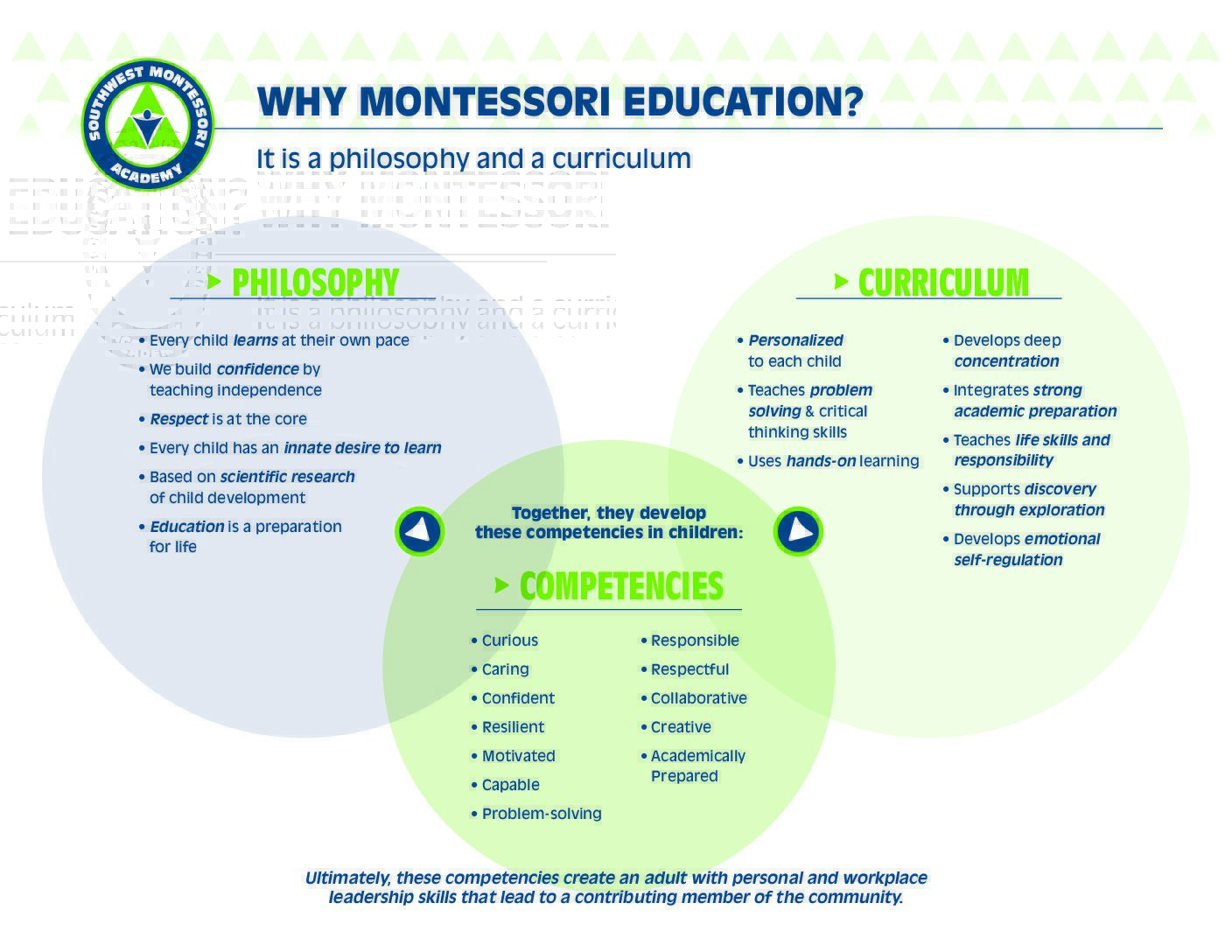
Dr. Maria Montessori—an engineer, physician, and educator—developed a new approach to education in the early 1900s by carefully observing how young children naturally learn. Through years of thoughtful study and experimentation, she created hands-on learning materials and a purposeful sequence of lessons designed to support the whole child—physically, intellectually, socially, emotionally, and spiritually.
Rather than simply delivering information, Montessori teachers guide children through these interconnected areas of growth. They watch closely, recognize each child’s readiness, and introduce new lessons at just the right moment, allowing learning to unfold in a way that feels both meaningful and empowering to the child.
This approach is grounded in deep respect for who each child is. Children are trusted as capable, curious individuals who want to learn and contribute. Teachers honor where a child is today while gently helping them move toward what comes next. By forming warm, encouraging relationships first—through smiles, invitations, and steady support—teachers create a classroom environment built on trust and respect.
When children feel secure and valued, they gain the confidence to make choices, take responsibility, and engage deeply in their work. In this kind of environment, freedom grows naturally alongside self-discipline, and children develop not only strong academic skills, but also respect for themselves, others, and the world around them.