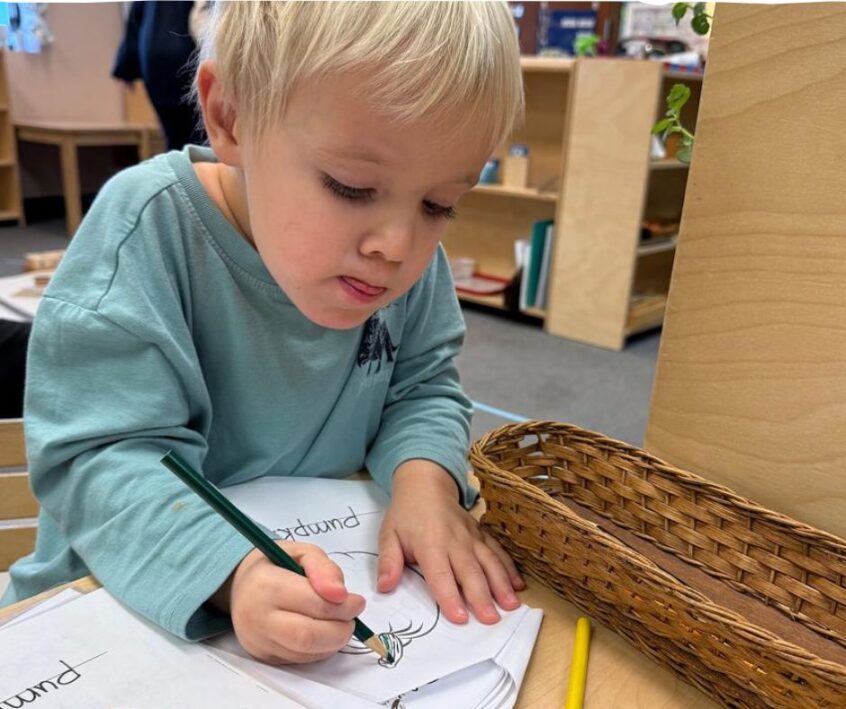
One of the most powerful tools in Montessori education is observation. It does not involve lessons, worksheets, or constant instruction. Instead, observation helps adults understand how children learn, what they are working to master, and how to support them more effectively. For parents of children ages 3 to 6, learning to observe can dramatically shift daily routines, reduce conflict, and strengthen a child’s independence and focus.
Observation invites parents to slow down, step back, and respond with intention rather than habit. When we truly observe our children, we begin to see learning happening in moments that might otherwise go unnoticed.
Observation, Behavior, and the Prepared Environment
In Montessori, behavior is seen as communication. Observation helps adults understand what a child’s behavior is telling them and guides how the environment should be adjusted in response. Rather than asking how to correct a behavior, Montessori encourages adults to ask what the child needs from their surroundings.
For example, a child who avoids cleaning up may be overwhelmed by too many materials or unclear expectations. A child who struggles with dressing may need clothing that is easier to manage or a more accessible setup. Through observation, parents can identify obstacles that are preventing independence and remove them.
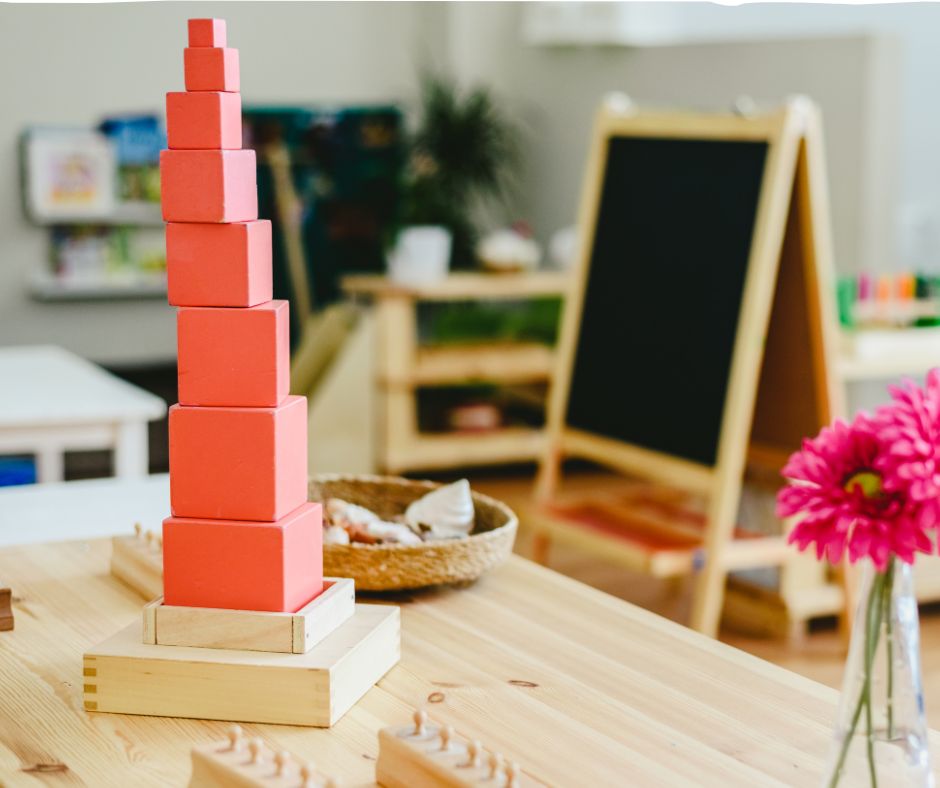
The prepared environment is not about creating a picture perfect home. It is about designing spaces that allow children to move freely, access materials independently, and complete tasks from beginning to end. Low shelves, clearly defined work areas, and child sized tools help children feel capable and confident.
When the environment is thoughtfully prepared based on observation, many behavioral challenges decrease naturally. Children are calmer, more cooperative, and better able to meet expectations because the environment supports their development.
Using Observation at Home to Understand Behavior
At home, observation helps parents recognize patterns in their child’s behavior. When adults pause before intervening, they often notice that certain behaviors happen at predictable times or during specific activities.
A child who becomes restless in the late afternoon may need more physical movement or outdoor time. A child who melts down during transitions may need clearer routines or more warning before changes occur. Observation allows parents to respond proactively rather than reactively.
This approach also builds empathy. When parents understand the reason behind a behavior, they are better able to respond with calm and clarity. This reduces power struggles and helps children feel understood rather than controlled.
Observation does not mean ignoring limits. It means setting limits with greater awareness and intention. When adults understand why a behavior is happening, they can guide children more effectively toward appropriate choices.
Focus and the Importance of Observation in Learning
Children ages 3 to 6 are capable of remarkable focus when they are engaged in meaningful, hands-on work. Observation helps adults both recognize when a child is deeply concentrated and avoid interrupting that process.
In Montessori classrooms, long periods of uninterrupted work time allow children to develop sustained attention, problem solving skills, and perseverance. At home, observation helps parents protect that focus by resisting the urge to redirect, correct, or rush the child.
When adults observe carefully, they also learn what types of activities support focus. Some children concentrate best with practical life tasks like pouring, sweeping, or food preparation. Others become deeply engaged in puzzles, art, or building. Understanding what captures their child’s attention helps parents offer activities that support learning and development.
Respecting a child’s concentration sends a powerful message. It tells the child that their work is valuable and that they are trusted to engage deeply with their learning.
Observation and the Development of Independence
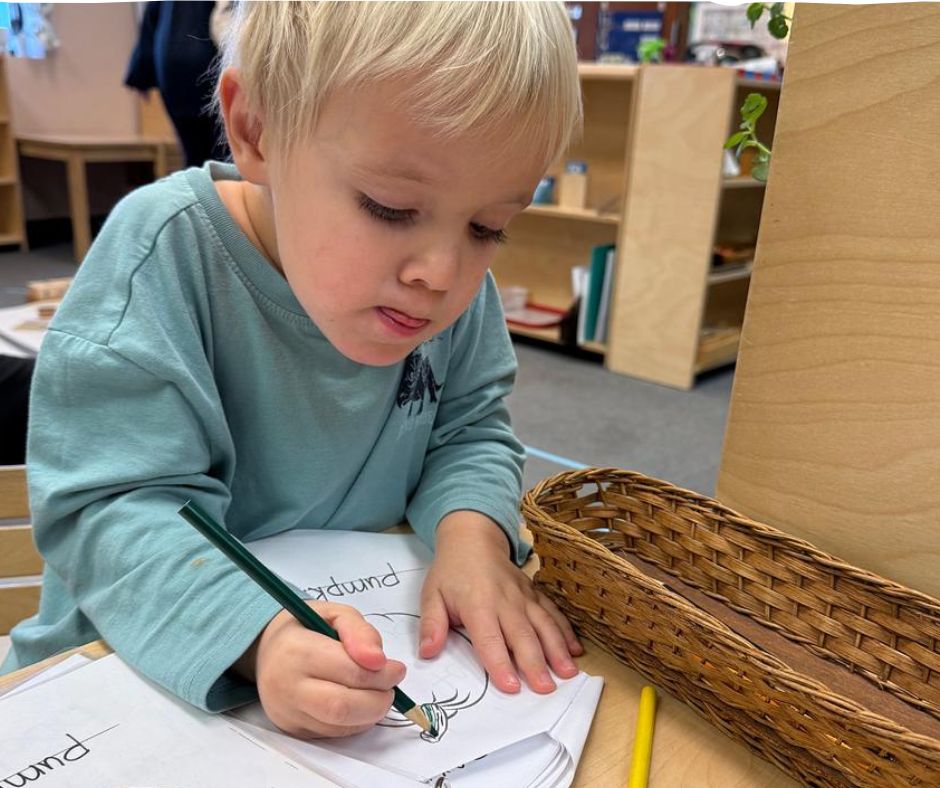
Independence is a central goal of Montessori education, especially during the Primary years. Observation helps adults know when a child is ready to try something independently and what level of support is truly necessary.
For example, a child learning to pour water may spill at first. Through observation, a parent can determine whether the child is adjusting their movements and learning from the experience. Offering a smaller pitcher or placing a towel nearby supports independence without taking over the task.
Observation also helps adults avoid helping too soon. When parents step in immediately, children may miss opportunities to problem solve and build confidence. When adults observe patiently, children often surprise us with their persistence and ability.
Independence grows when children are trusted with real responsibilities and supported through experience. Observation guides parents in finding the balance between offering help and allowing growth.
Observation is an Ongoing Practice
Observation is not a one-time skill, but an ongoing practice. Children grow and change quickly, especially between the ages of 3 and 6. What worked last month may need adjustment today.
By continuing to observe, parents can adapt the environment, routines, and expectations to meet their child’s evolving needs. This creates a home environment that supports learning, focus, and independence naturally.
The power of observation lies in its simplicity. When parents take the time to truly watch and listen, they gain insight that no checklist or strategy can replace. Observation transforms parenting by turning everyday moments into meaningful opportunities for growth, connection, and learning.
Was this article helpful? Learn more about implementing Montessori practices at home here!
–