When parents begin searching for preschool and kindergarten options, one of the most common questions is whether Montessori or daycare is the right fit. At first glance, both provide a safe place for young children during the day. But when you look more closely, especially during the Primary years from ages 3 to 6, the experience can be very different.
Understanding the differences can offer clarity and confidence when choosing an early childhood environment.
Understanding the Purpose of Each Setting
Before comparing daily routines or classroom materials, it helps to understand the main purpose of each option.
Daycare programs are primarily designed to provide supervision, care, and basic early learning activities in a group setting. The focus is on safety, routine, and keeping children engaged throughout the day.
Montessori schools are designed as educational environments that support academic, social, and emotional development. For children ages 3 to 6, Montessori focuses on building independence, concentration, and a genuine love of learning through purposeful work.
Learning Environment and Classroom Design
A typical daycare classroom often includes group play areas, toys, art supplies, and teacher-led activities. Children usually move through the day together, participating in the same activities at the same time.
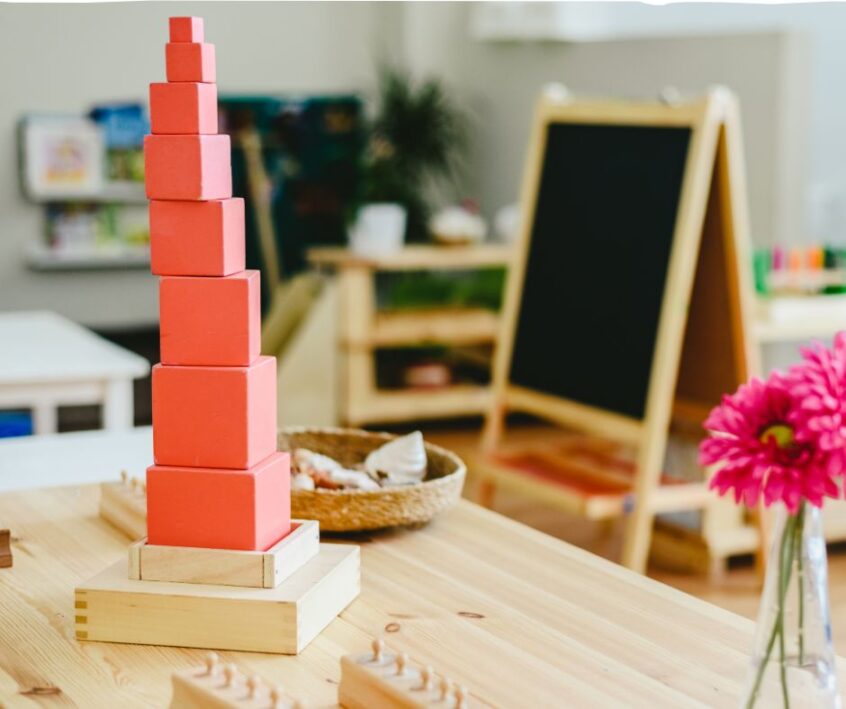
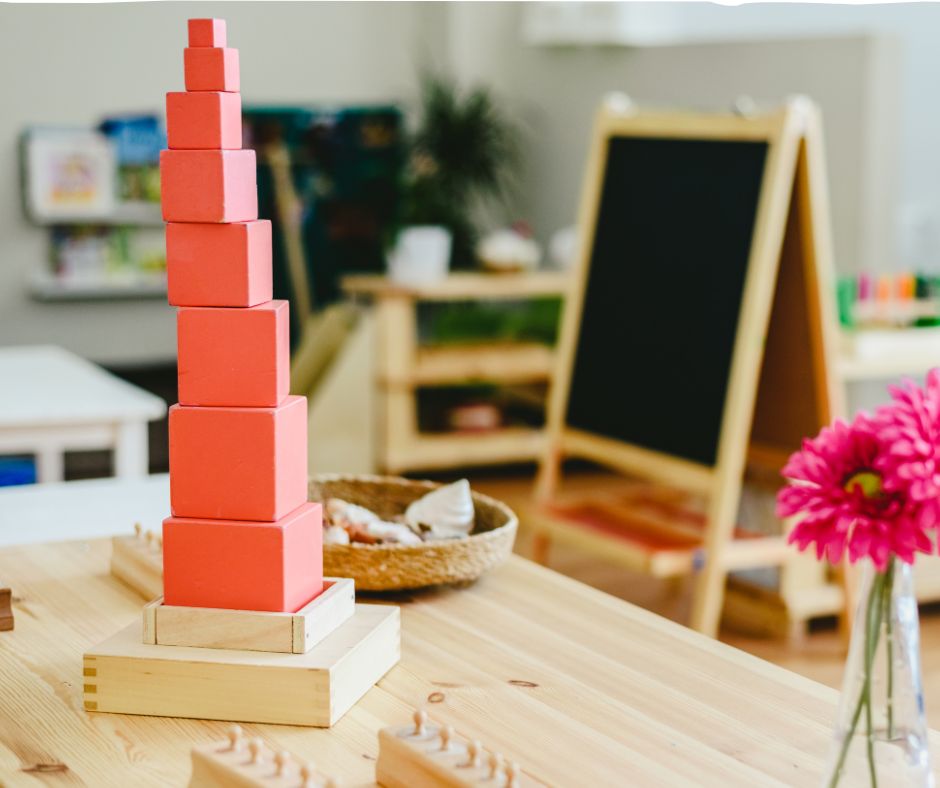
In a Montessori Primary classroom, the environment is carefully prepared for independent learning. Shelves are organized with hands-on materials for math, reading, practical life, and sensory development. Everything is child-sized and intentionally placed so children can access and return materials on their own. This thoughtful design helps children feel capable and responsible for their learning space.
Teaching Style and Adult Guidance
In many daycare settings, teachers lead large-group lessons, crafts, songs, and transitions. Adults direct most activities and manage the flow of the day.
In Montessori classrooms, teachers act as guides rather than traditional instructors. They observe each child, introduce lessons individually or in small groups, and support children as they work independently. For children ages 3 to 6, this personalized approach allows learning to happen at each child’s natural pace while still providing consistent structure and support.
Approach to Academics
Many parents wonder how much academic learning happens in each setting. Daycare programs may introduce letters, numbers, and early concepts through group lessons, worksheets, or themed activities.
Montessori education offers a structured academic curriculum using hands-on materials. Children learn phonics, early reading, writing, and math through concrete experiences. They may build words with movable letters, count with bead chains, or explore place value using manipulatives. Because learning is active and meaningful, children often develop strong academic foundations with confidence.
Daily Schedule and Flexibility
Daycare schedules typically follow set times for circle time, crafts, outdoor play, meals, and rest. All children move through the day together.
In Montessori classrooms, children work during longer, uninterrupted work periods. During this time, they choose activities, practice skills, and focus deeply on their work. Snacks, lessons, and movement are integrated naturally into the flow of the morning. This flexible structure supports concentration and helps children learn time management and self-direction.
Social Development and Mixed-Age Classrooms
Most daycare programs group children strictly by age.
Montessori Primary classrooms usually include children ages 3 to 6 in the same environment. Younger children learn by observing older peers, while older children develop leadership and empathy by helping others. These daily interactions support strong communication skills, confidence, and emotional awareness.
Independence and Life Skills
In many daycare programs, adults assist children with tasks such as cleaning up, dressing, and preparing snacks.
In Montessori classrooms, children are taught how to care for themselves and their environment. They practice pouring water, washing dishes, preparing food, organizing materials, and cleaning their workspace. These practical life activities build coordination, responsibility, and self-esteem, especially during the important developmental years of 3 to 6.
Behavior Guidance and Emotional Development
In daycare settings, behavior is often managed through group rules, reward systems, or time-outs.
Montessori focuses on helping children develop self-regulation and problem-solving skills. Teachers model respectful communication, guide conflict resolution, and support children in understanding their emotions. This approach promotes long-term emotional growth and positive social behavior.
The years between ages 3 and 6 are a critical period for brain development, language growth, and social learning. During this time, children form attitudes about school, confidence, and their ability to learn. Montessori programs are specifically designed to support this stage of development, helping children build strong academic, emotional, and life skills foundations.
Both daycare and Montessori play important roles in early childhood. The main difference lies in their focus. Daycare centers primarily provide care and supervision, while Montessori schools offer a comprehensive educational experience. For families exploring early childhood education options, understanding these differences can help you choose a setting where your child can feel confident, capable, and excited to learn.
–
The best way to understand Montessori is to observe a classroom, ask questions, and see how children interact with their environment. If you are curious about Montessori education for preschool and kindergarten-aged children in northeast Indiana, you can schedule a tour with Southwest Montessori Academy here.