When parents first hear the phrase “follow the child” in Montessori education, it can sound vague or confusing. Some may wonder if it means children are in charge of the classroom or that adults take a hands-off approach.
In reality, “follow the child” is a thoughtful, intentional philosophy that guides how teachers support learning, especially during the Primary years from ages 3 to 6. It is about understanding each child’s development, interests, and readiness, and using that knowledge to guide meaningful learning.
For families who are new to Montessori, understanding this concept can offer valuable insight into how children grow academically, socially, and emotionally.
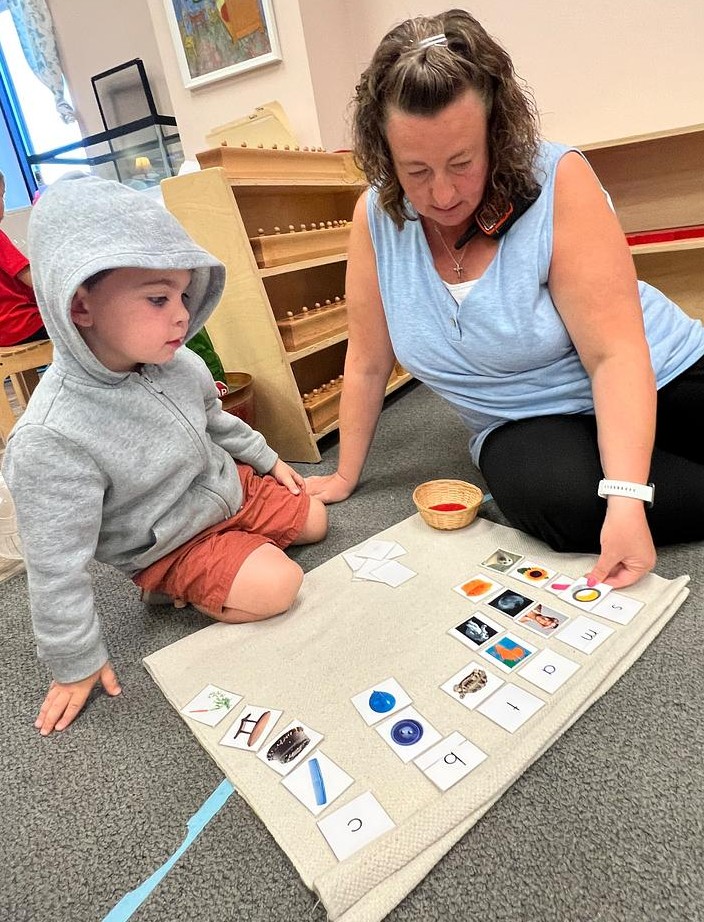
Understanding the Meaning Behind “Follow the Child”
The phrase “follow the child” comes from Dr. Maria Montessori’s belief that children naturally want to learn. When given the right environment and support, they are motivated to explore, practice, and master new skills.
Rather than forcing every child to learn the same thing at the same time, Montessori teachers carefully observe each student. They look for signs of interest, concentration, struggle, and readiness. These observations help guide when and how new lessons are introduced.
Following the child does not mean removing structure. It means responding thoughtfully to each child’s developmental needs.
Observation as the Foundation
In Montessori classrooms, observation is one of the most important tools teachers use.
Teachers spend time watching how children interact with materials, peers, and their environment. They notice which activities hold a child’s attention, which skills are developing, and where support may be needed.
These observations help teachers understand sensitive periods, times when children are especially ready to learn specific skills such as language, order, movement, or social interaction. By recognizing these moments, teachers can introduce lessons when children are most receptive, leading to deeper understanding and confidence.
Individualized Learning at the Primary Level
In traditional classrooms, children often follow the same curriculum at the same pace. In Montessori Primary classrooms, learning is individualized.
Each child progresses through language, math, and practical life activities based on readiness rather than age alone. One child may begin reading early, while another focuses longer on building fine motor skills or strengthening concentration.
Both paths are respected and supported. This individualized approach helps children avoid unnecessary pressure and develop a positive relationship with learning.
The Role of Choice and Responsibility
Choice is an important part of following the child, but it is always paired with responsibility.
Children in Montessori classrooms choose their work from carefully prepared materials. They are taught how to select activities, complete them fully, and return them properly.
This process builds decision-making skills, self-discipline, and independence. For Primary age children, learning how to manage choices in a supportive environment lays the foundation for lifelong responsibility.
The Prepared Environment
Following the child is closely connected to the prepared environment.
Montessori classrooms are intentionally designed to meet the developmental needs of children ages 3 to 6. Materials are arranged from simple to complex, concrete to abstract, and placed where children can access them independently.
This environment allows children to explore at their own pace while receiving subtle guidance through the design of the classroom itself.
When a child is ready for new challenges, the environment offers opportunities for growth without pressure.
The Teacher’s Role as a Guide
In Montessori, teachers are often called guides rather than instructors.
Their role is to connect each child with the right lesson at the right time. They demonstrate materials, step back to allow practice, and offer support when needed.
Rather than constantly directing behavior, guides encourage children to develop self-regulation, problem-solving skills, and internal motivation.
This approach is especially valuable during the Primary years, when children are learning how to focus, persist, and take pride in their work.
Supporting Emotional and Social Development
Following the child also applies to emotional and social growth.
Teachers pay close attention to how children interact with peers, manage frustration, and express feelings. They offer guidance through modeling respectful communication and helping children resolve conflicts peacefully.
By honoring each child’s emotional development, Montessori classrooms create a safe space where children feel understood and valued.
How This Philosophy Benefits Families
For parents, understanding “follow the child” can ease concerns about academic progress or classroom structure.
This approach ensures that children are neither rushed nor held back. Instead, they are supported in developing skills when they are ready, leading to greater confidence and long-term success.
Families often notice that children become more independent, responsible, and motivated at home as well.
“Following the child” is not about letting children do whatever they want. It is about respecting each child’s development and providing thoughtful guidance within a structured environment.
For families exploring Montessori education, this philosophy offers reassurance that children are seen as individuals with unique strengths, interests, and potential. Learn more about the importance of observing your child at home here.
–
The best way to understand Montessori is to observe a classroom, ask questions, and see how children interact with their environment. If you are curious about Montessori education for preschool and kindergarten-aged children in northeast Indiana, you can schedule a tour with Southwest Montessori Academy here.