Summer offers young children a different kind of learning rhythm. With fewer schedules and more open-ended time, children ages 3 to 6 can grow academically and developmentally through simple, hands-on activities that feel like play. In Montessori education, these experiences are intentionally practical, sensory rich, and meaningful. The activities below are easy to set up, low cost, and developmentally appropriate for primary age children.
- Washing Toys or Outdoor Items
Invite your child to wash plastic toys, garden tools, or outdoor items using a small basin of water, a sponge or brush, and a towel.
This practical life activity supports coordination, concentration, sequencing, and independence. Children experience real responsibility and a clear work cycle.
-Simple modification
If water play is limited, children can wipe items with a damp cloth or polish objects indoors using a dry towel.
- Water Pouring and Transferring
Provide two small pitchers or containers and invite your child to pour water from one to the other over a tray or towel.
This activity supports fine motor development and practical life skills, strengthening hand control needed for writing and everyday tasks.
-Simple modification
Use dry materials such as rice, beans, or sand if water is not available or preferred.
- Nature Collection and Sorting
Encourage your child to collect natural items like rocks, leaves, sticks, or flowers during a walk, then sort them by size, color, or shape.
This supports early math and cognitive development through classification, comparison, and problem solving.
-Simple modification
If outdoor access is limited, use household items such as buttons, utensils, or toys for sorting.
- Food Preparation Tasks
Invite your child to help wash fruit, peel bananas, spread toppings, or slice soft foods with a child-safe knife.
This practical life work builds independence, fine motor strength, sequencing, and confidence while contributing to family routines.
-Simple modification
If food prep feels overwhelming, start with simple tasks like transferring snacks into bowls or setting the table.
- Sidewalk Chalk Letters and Shapes
Use sidewalk chalk to draw letters, numbers, shapes, or patterns outdoors. Invite your child to trace or create their own.
This supports early literacy and pre-writing development through large motor movement and visual recognition.
-Simple modification
If outdoor space is limited, use painter’s tape indoors to form letters or shapes on the floor.
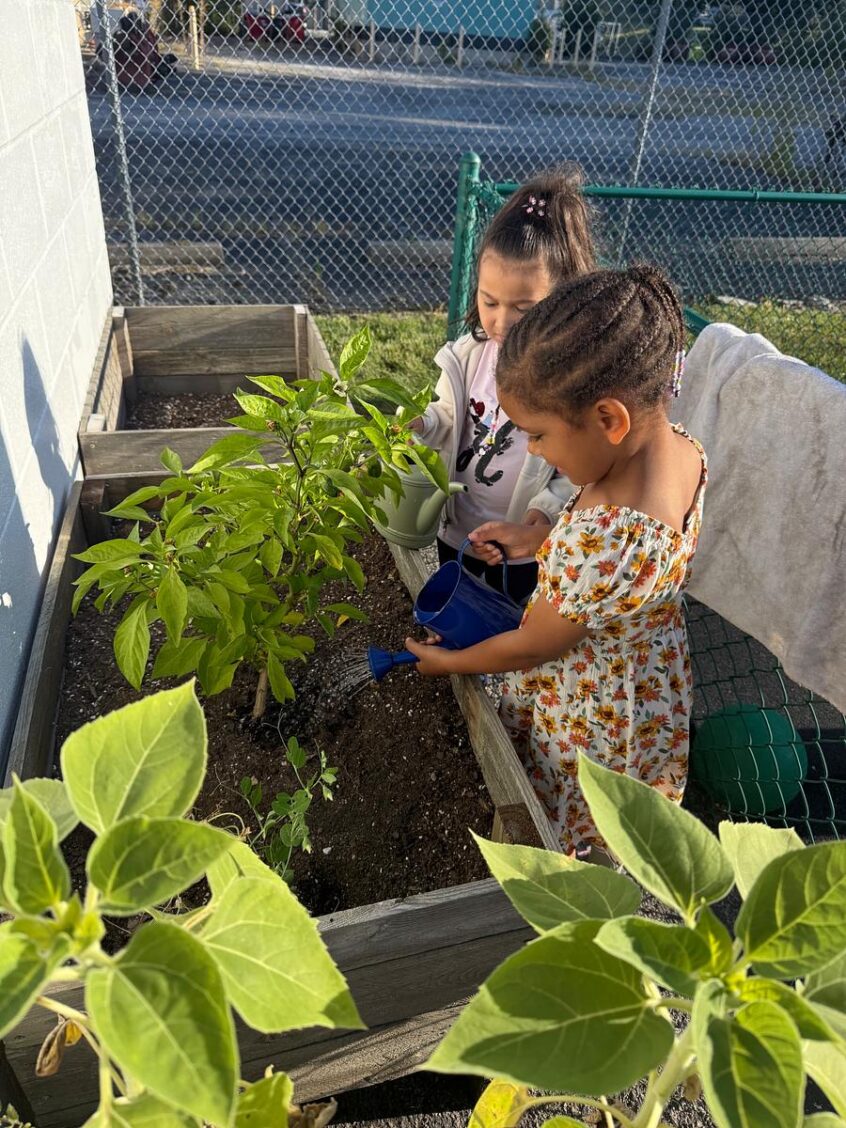
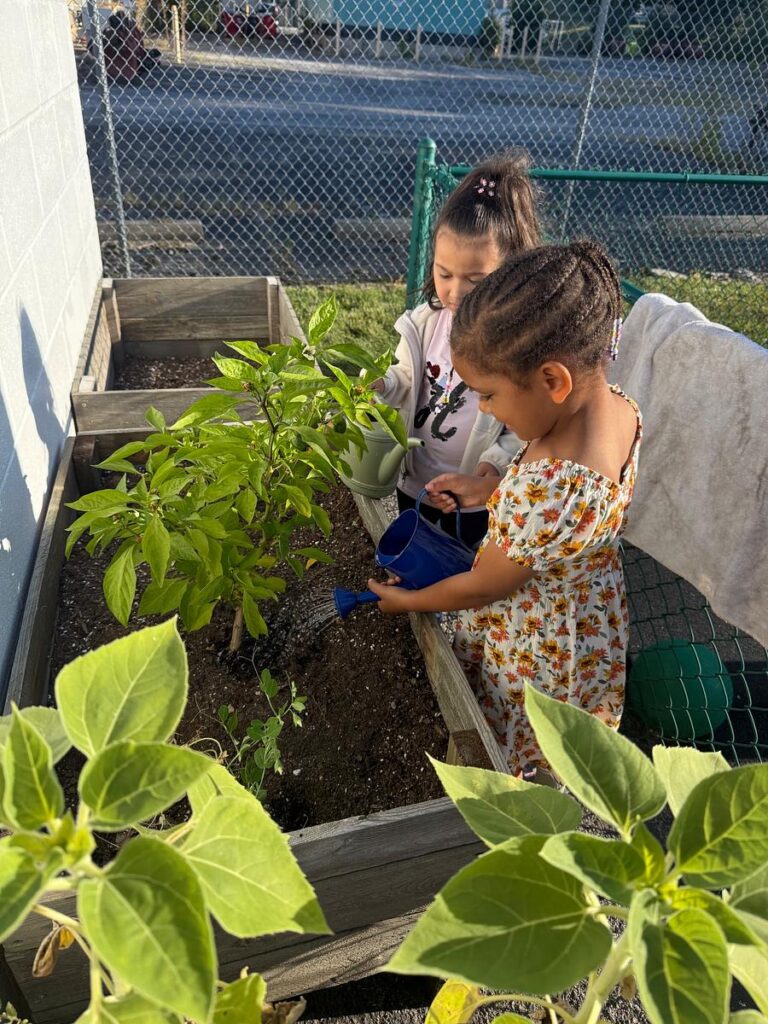
- Gardening or Plant Care
Invite your child to water plants, pull weeds, or plant seeds in a pot or garden bed.
This activity supports science learning, responsibility, and observation while fostering respect for living things.
-Simple modification
If gardening is not possible, care for a single houseplant or herbs in a windowsill container.
- Matching and Memory Games with Household Items
Create matching games using socks, lids, utensils, or simple homemade picture cards.
This supports cognitive development, visual discrimination, memory, and early academic readiness.
-Simple modification
Begin with fewer items and increase the number as your child’s focus and confidence grow.
- Quiet Observation Time Outdoors
Invite your child to sit quietly outside and notice sounds, insects, clouds, or movement in nature. Adults can observe alongside without directing.
This supports concentration, self regulation, and social emotional development, all foundational skills for learning.
-Simple modification
If outdoor time is limited, observe from a window or focus on sounds inside the home.
For preschool aged children, meaningful learning does not require expensive materials or structured lessons. When adults offer simple tools, time, and trust, children naturally engage in activities that support academic readiness, independence, and healthy development.
To learn more about implementing Montessori practices at home, finding Montessori-inspired tools for the home, or more screen-free activities for your preschooler, be sure to check out our other blog articles!
–