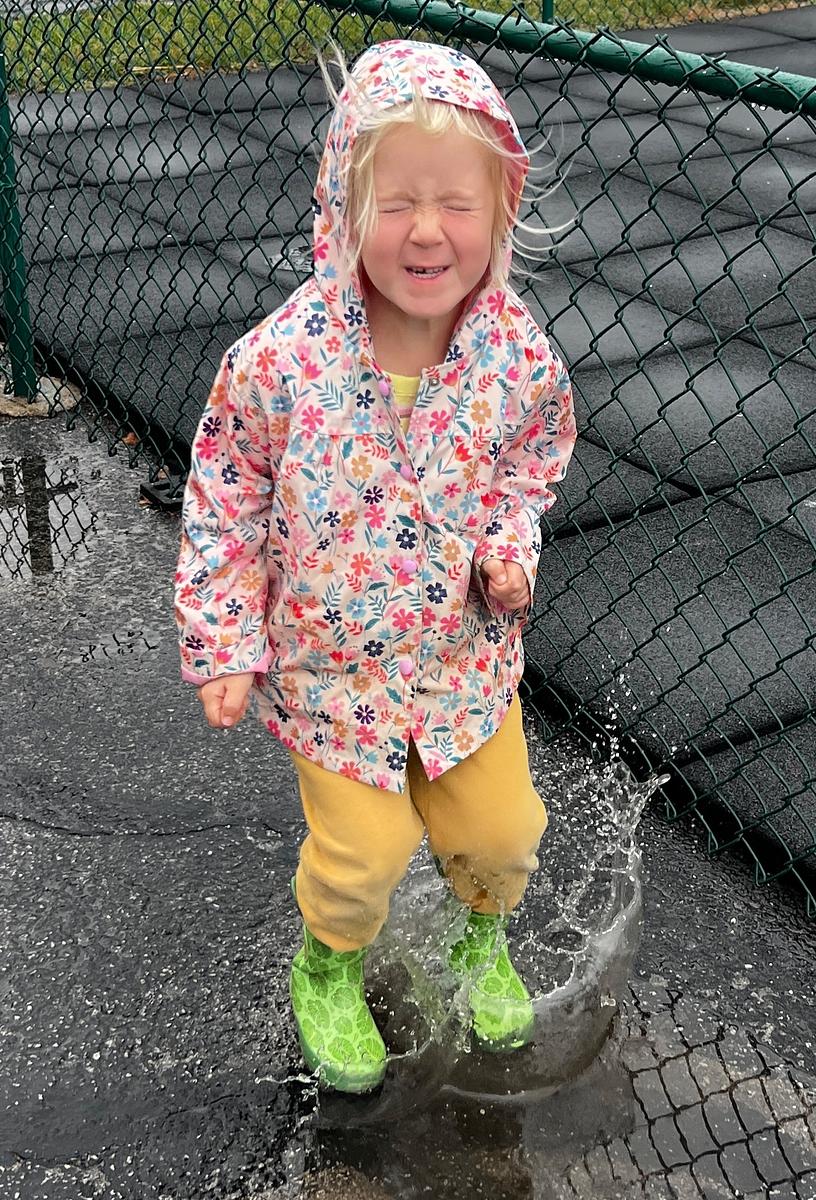
Many parents are looking for ways to reduce screen time while still keeping their child engaged, calm, and learning. For preschool aged children, hands-on activities that involve movement, creativity, and real life skills are especially effective. In Montessori education, children learn best when they are actively involved in meaningful work rather than passively entertained.
Implementing Montessori at home does not require elaborate plans or expensive materials. With a few simple ideas, families can offer engaging alternatives that support independence, focus, and healthy development.
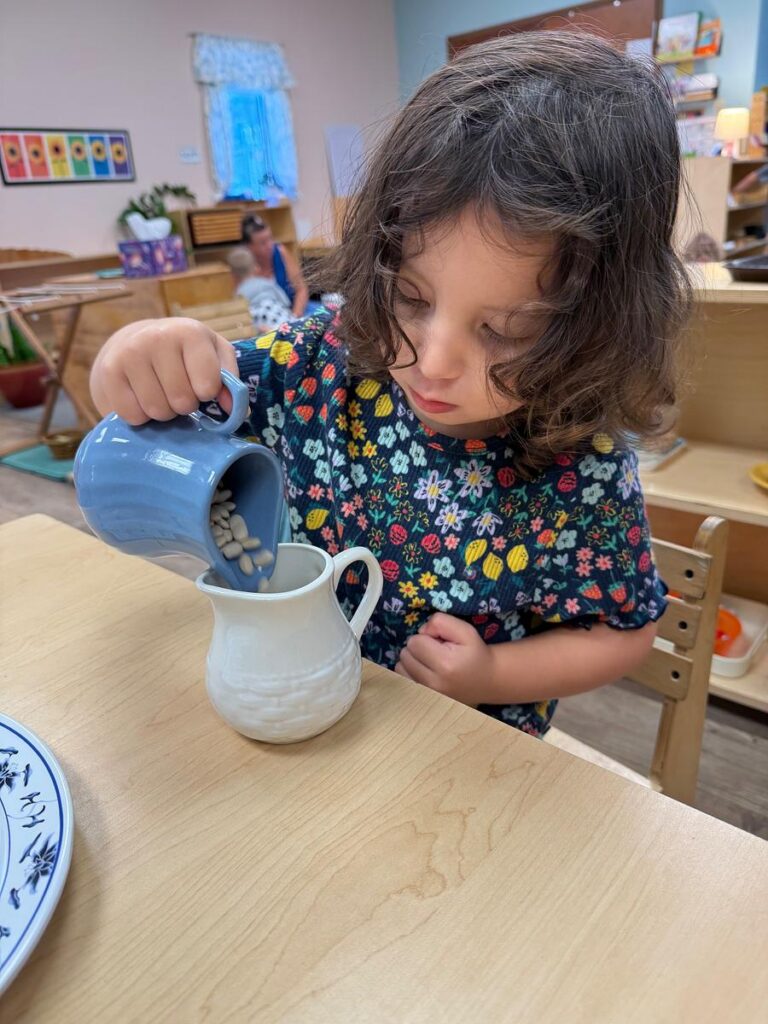
- Pouring Between Pitchers
Set out two small pitchers and a tray, then invite your child to pour water, beans, or rice from one pitcher to the other. This activity builds concentration, hand eye coordination, and control of movement. Children are often drawn to repeating this work, which naturally holds their attention longer than a screen.
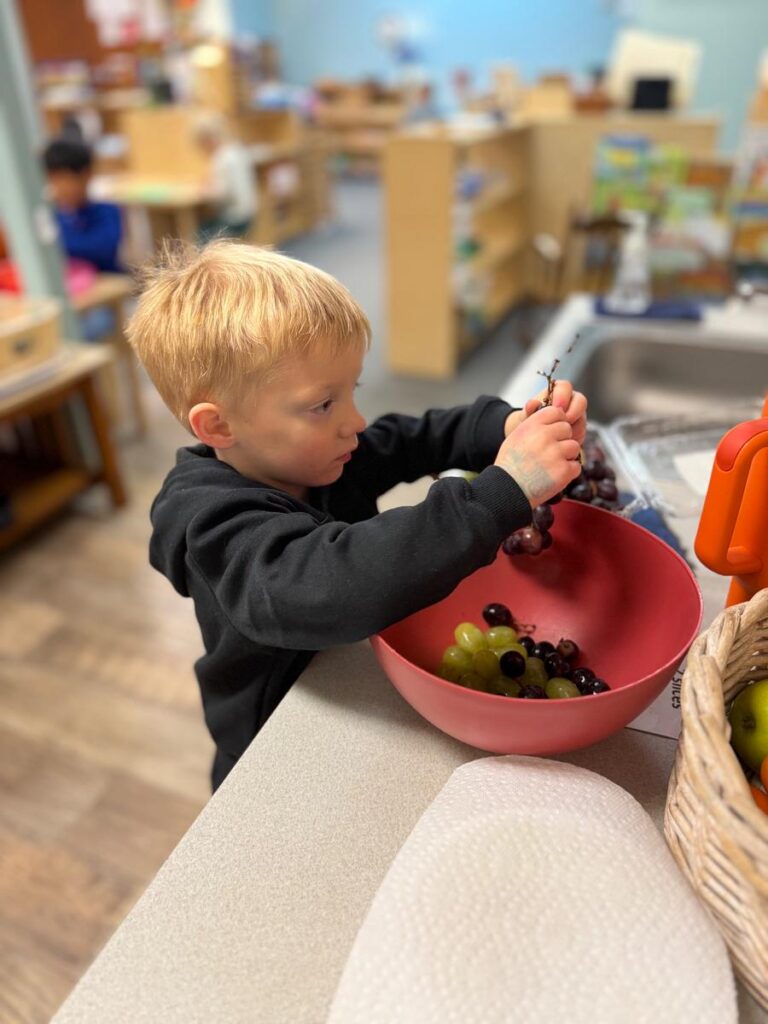
- Washing Fruits or Vegetables
Place a small bowl of water, a scrub brush, and a few fruits or vegetables in the sink or on a low table. Children enjoy the responsibility of helping prepare food while strengthening fine motor skills. This practical life activity also supports independence and care for the environment.
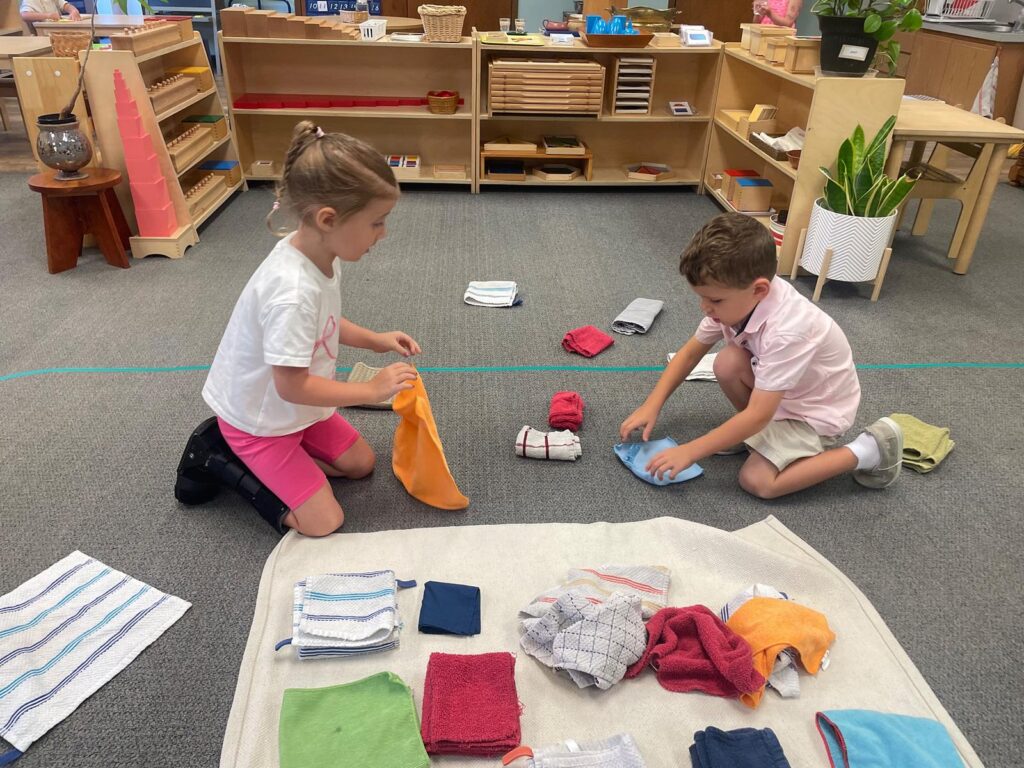
- Folding Towels or Cloths
Offer a basket of washcloths or small towels and demonstrate how to fold them. Folding supports order, sequencing, and coordination. Children often find comfort in the repetitive nature of this task, making it a calming alternative to screen time.
- Outdoor Nature Walk With a Purpose
Take a short walk and invite your child to look for specific items such as something smooth, something green, or something that makes noise. This encourages observation, movement, and curiosity. Nature walks provide sensory input that helps regulate attention and energy levels.
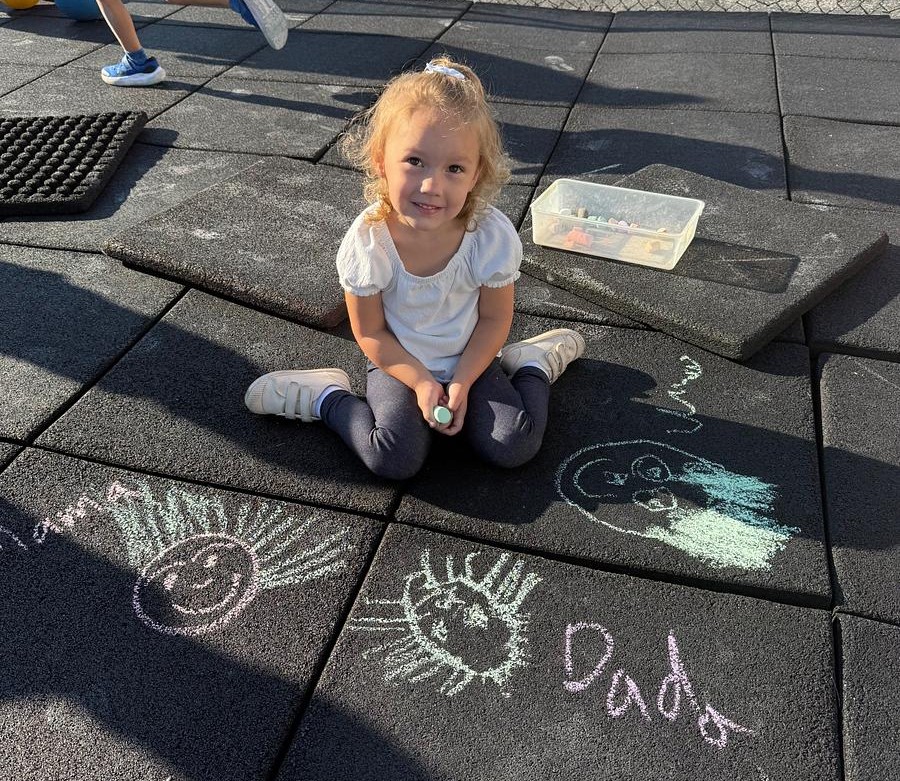
- Sidewalk Chalk Drawing Outdoors
Provide sidewalk chalk and invite your child to draw shapes, letters, or pictures on the pavement. This strengthens hand muscles needed for writing while allowing creative expression. Being outdoors adds movement and fresh air, which supports focus and emotional balance.
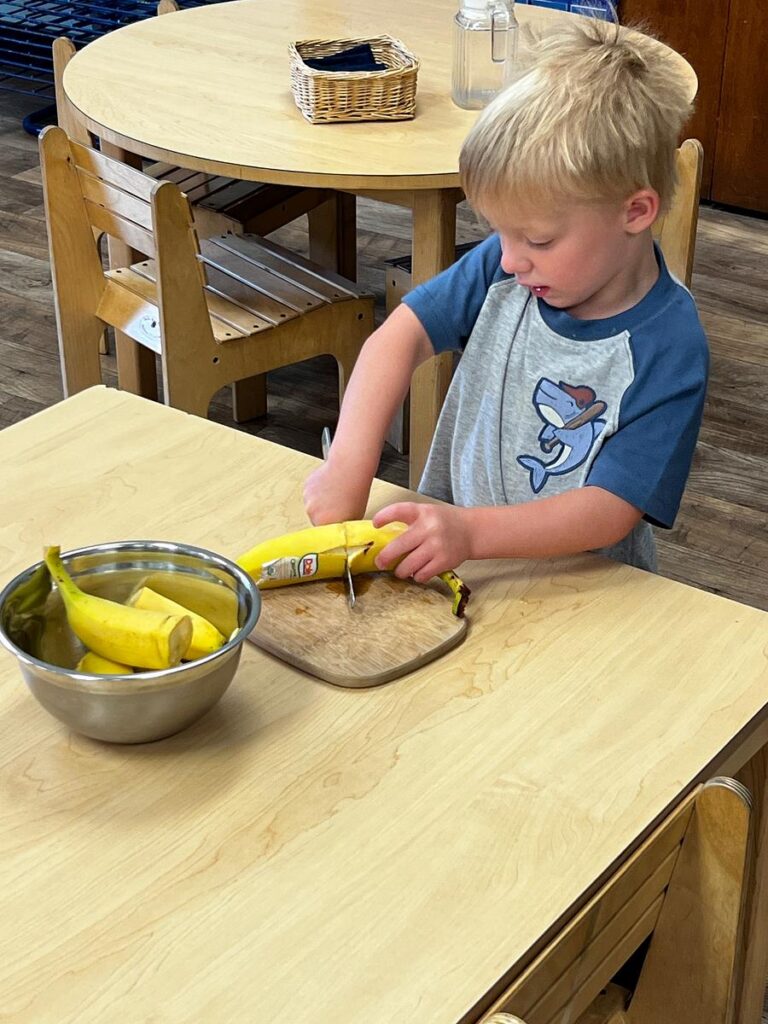
- Simple Food Preparation
Invite your child to peel a banana, spread butter or jam on bread, or cut soft foods with a child-safe knife. These tasks build confidence, coordination, and independence. Children are often more engaged when they are contributing to real family work.
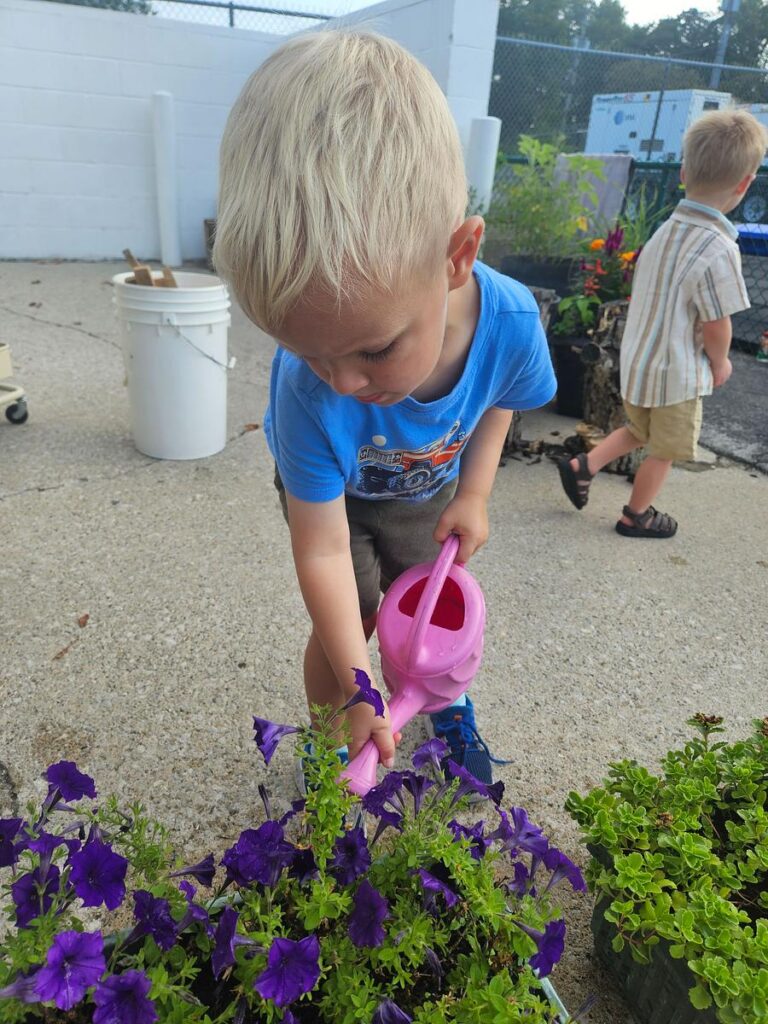
- Watering Plants or Gardening
Give your child a small watering can and show them how to water indoor plants or a garden area outside. This activity teaches responsibility and care for living things. Gardening outdoors also provides sensory experiences that help reduce restlessness.
- Building With Household Items
Offer cardboard boxes, paper towel rolls, or recycled containers and invite your child to build structures. This open ended activity supports problem solving, creativity, and sustained attention. Unlike digital play, children control the pace and direction of their work.
- Sweeping or Cleaning a Space
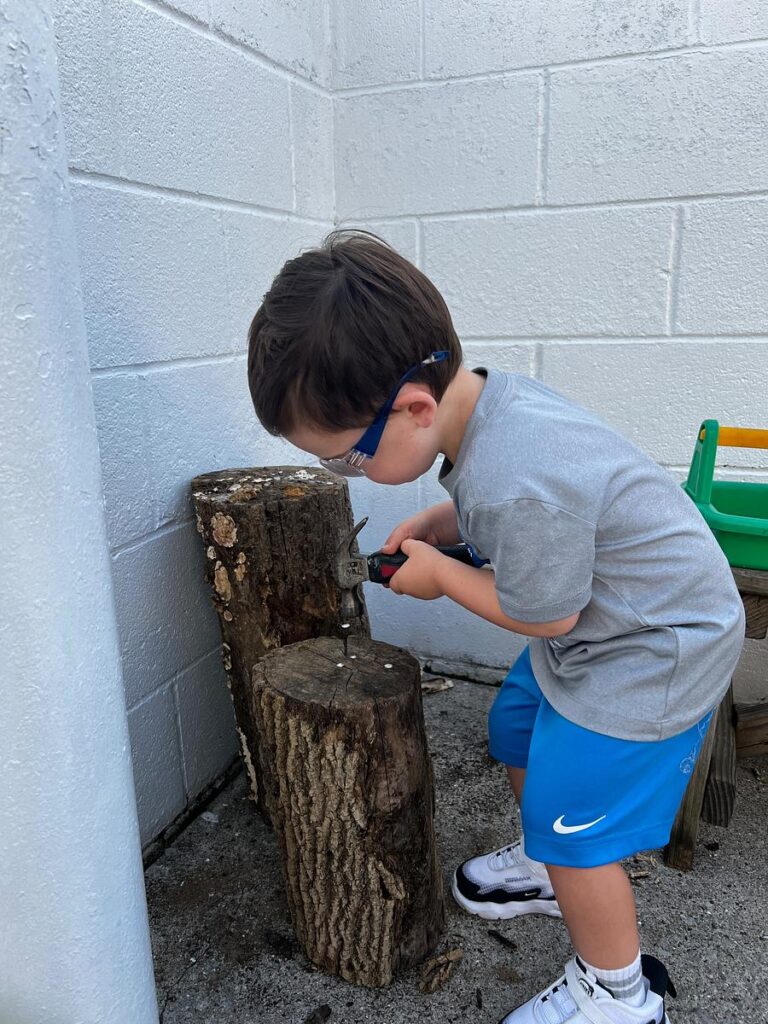
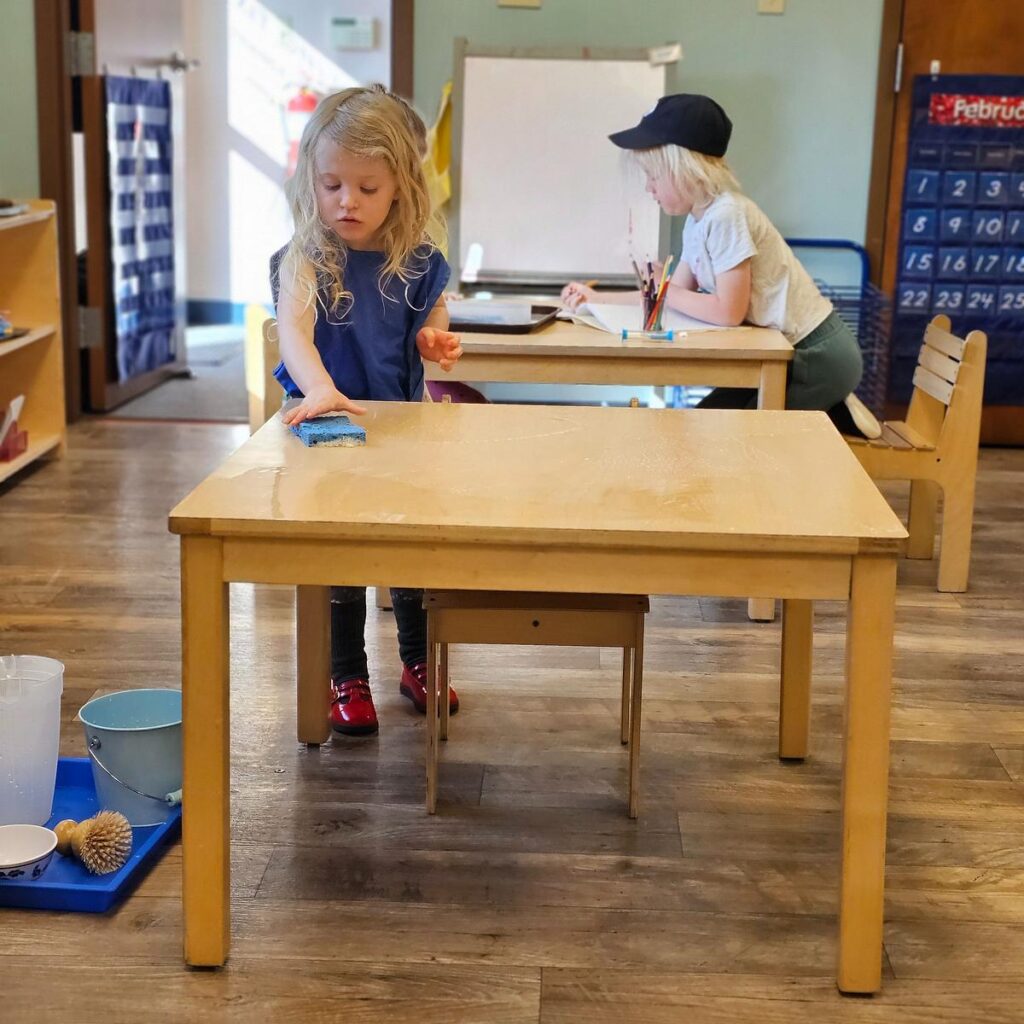
Provide a child sized broom or cloth and invite your child to sweep crumbs or wipe a table. Cleaning tasks help children feel capable and involved in their environment. These activities also support coordination and concentration through purposeful movement.
- Outdoor Obstacle Course
Create a simple obstacle course using items like cushions, cones, or chalk lines. Invite your child to jump, crawl, balance, or walk along a path. Outdoor movement helps children release energy and improves gross motor skills while offering a fun alternative to screens.
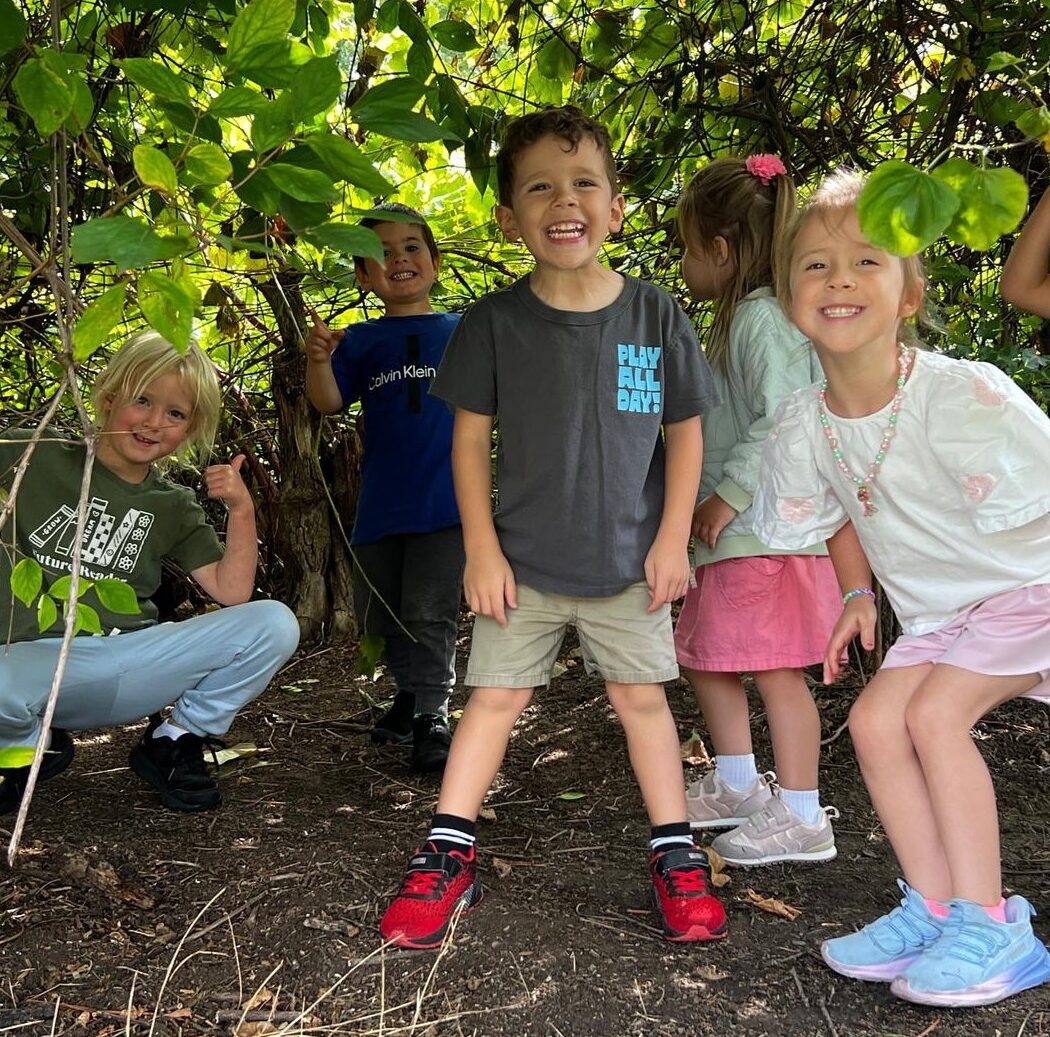
When children are offered meaningful, hands-on activities, they are far more likely to engage deeply and independently. These simple activities meet developmental needs while naturally reducing reliance on screens. Montessori inspired experiences do not require expensive materials, just thoughtful opportunities to move, create, and participate in everyday life.
If you’d like to find simple Montessori-inspired tools for the home, find our guide here!
–