Many public school systems offer kindergarten, and many parents are curious about this transitional year. Why should your child stay in Montessori for the kindergarten year?
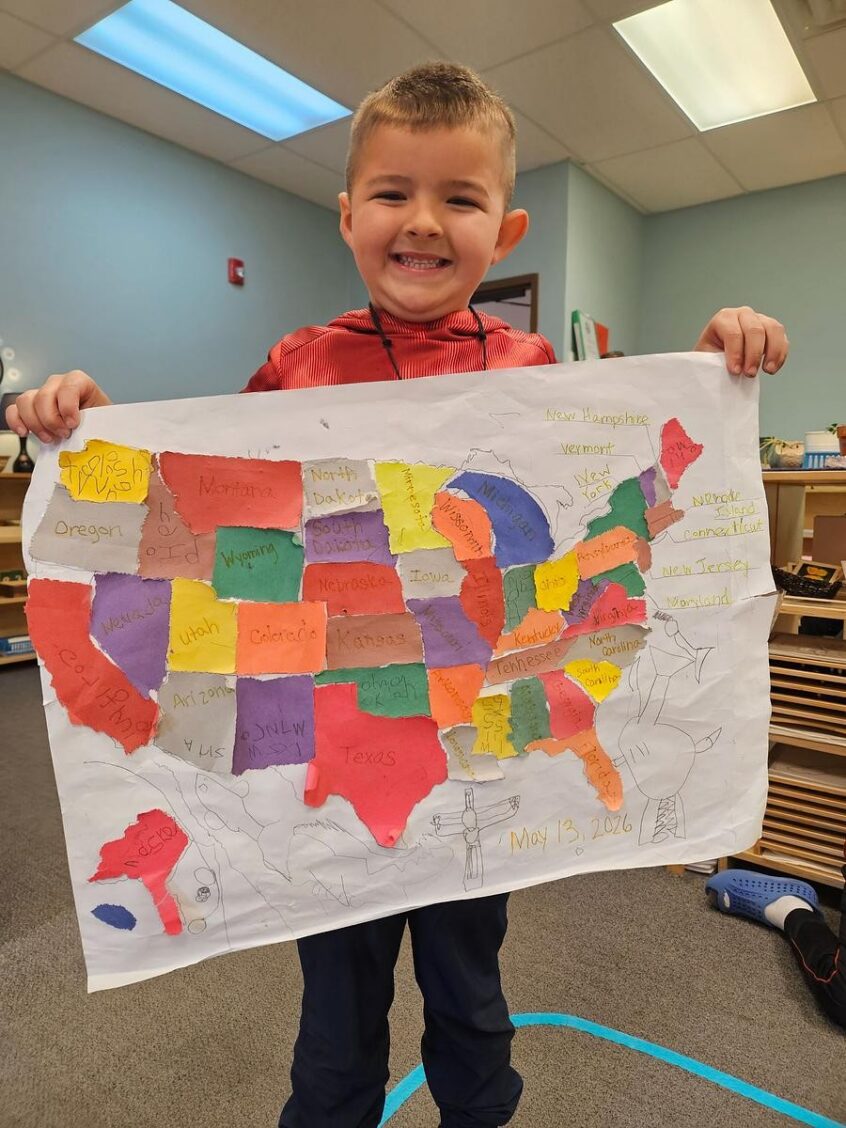
One of the most unique aspects of Montessori education is the three year cycle found in the Primary classroom, typically serving children ages 3 to 6. While many families initially enroll their child for preschool, the third year, often referred to as the kindergarten year, plays a critical role in a child’s academic, social, and emotional development.
For parents who may be new to Montessori, it can be helpful to understand why completing the full three year cycle is so important. Each year builds upon the last, and the third year allows children to fully step into the independence, confidence, and leadership they have been developing since their first day in the classroom.
Learning for Mastery
Montessori schools are intentionally structured utilizing a three-year cycle. There are many great benefits to this, but one of them is to provide third-year students with opportunities that they will not have in other environments. Having spent the previous two years learning a multitude of skills in their classroom, the third year is about mastery. The Montessori curriculum is a series of carefully developed lessons and materials that are meant to cycle back to a culminating experience during the final year.
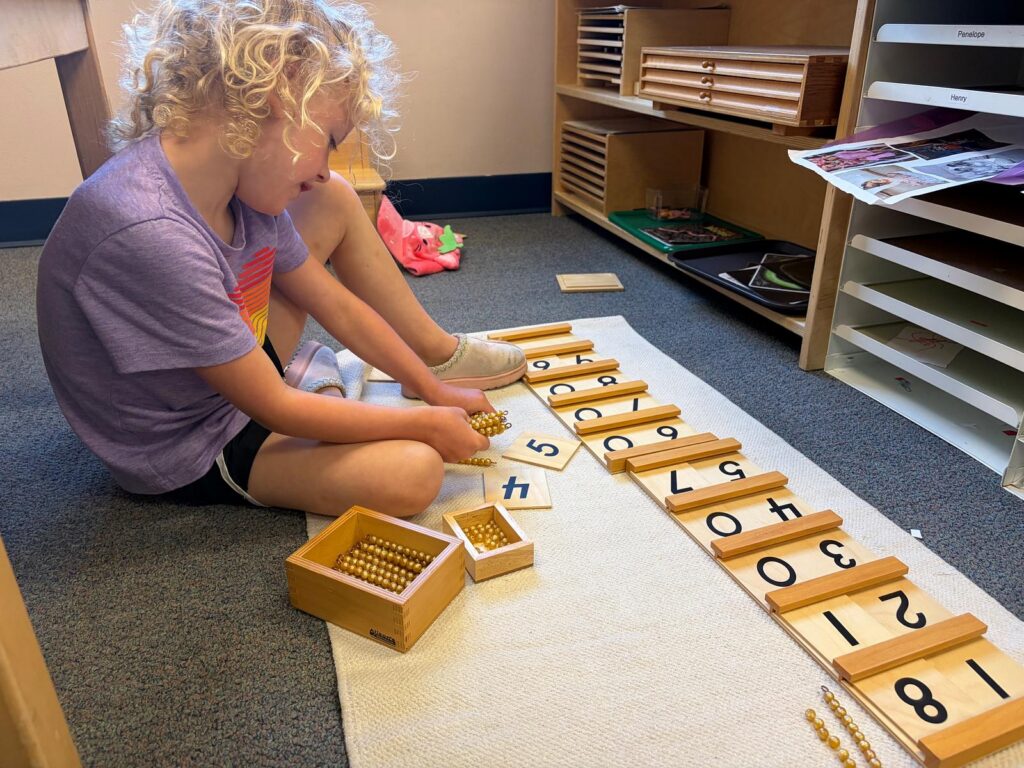
All that time spent grasping knobbed cylinders, tracing metal insets, and practicing sandpaper letter formation? The kindergartner uses all that knowledge as they begin to write with paper and pencil. The years of early mathematical preparation? Now they get to use the golden beads (or perhaps the stamp game material) to learn to add and subtract numbers into the thousands (yes, as kindergartners!).
Montessori’s early focus on teaching children sounds in lieu of letter names leads many children to begin reading by the time they are in kindergarten.
Children as Independent Leaders
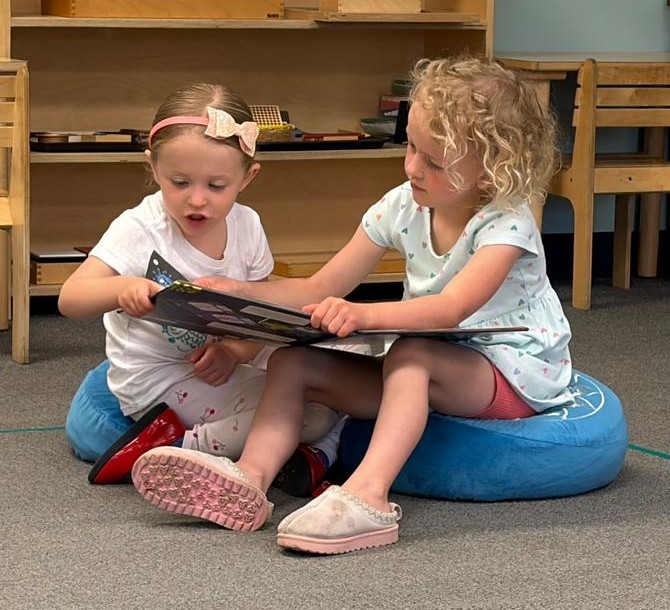
Not only do teachers observe children mastering skills independently, but kindergarten students also have the chance to teach to others. Educators across many settings will agree that once the student becomes the teacher, we can surmise that true mastery has been attained.
So while your kindergarten child is teaching younger children how to do something, they are showing us just how well they know how to do it. Not only that – they are gaining confidence in an authentic way. No one needs to tell the child how well they are doing because they feel it themselves.
When children teach other children, it’s not just about knowledge being shared, but also about cultivating world citizens. Teaching each other is an act of kindness, and a way for children to practice helping others around them.
Confidence, Independence, and Readiness for What Comes Next
Another important benefit of completing the three year cycle is the growth in independence and self regulation that occurs during the kindergarten year. Third-year students are often able to manage their time, choose appropriate work, and persist through challenges with minimal adult intervention.
This independence is not accidental. It is the result of years spent practicing decision making, problem solving, and responsibility within a carefully prepared environment. By the end of the third year, children are not only academically prepared for the next stage of their education, but socially and emotionally ready as well.
Children who complete the full Montessori Primary cycle often transition with confidence. They understand how to work independently, collaborate with peers, and approach new challenges with curiosity rather than hesitation. These skills serve them well far beyond the classroom.
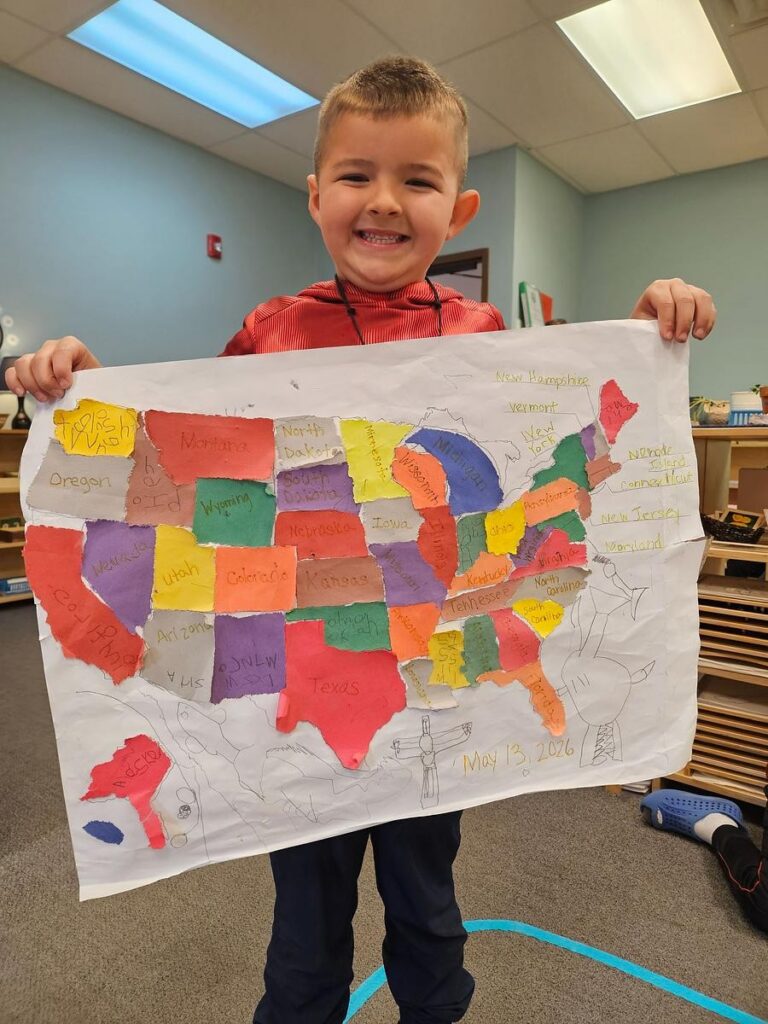
Completing the three year cycle in Montessori allows preschool aged children to experience the full benefit of this developmental approach. The third year is not simply an extra year. It is the culmination of everything a child has been working toward, offering leadership opportunities, academic depth, and lasting independence that support success in school and in life.
–
The best way to understand Montessori is to observe a classroom, ask questions, and see how children interact with their environment. If you are curious about Montessori education for preschool and kindergarten-aged children in northeast Indiana, you can schedule a tour with Southwest Montessori Academy here.
Learn more about Montessori practices, like the art of observation, on our blog!