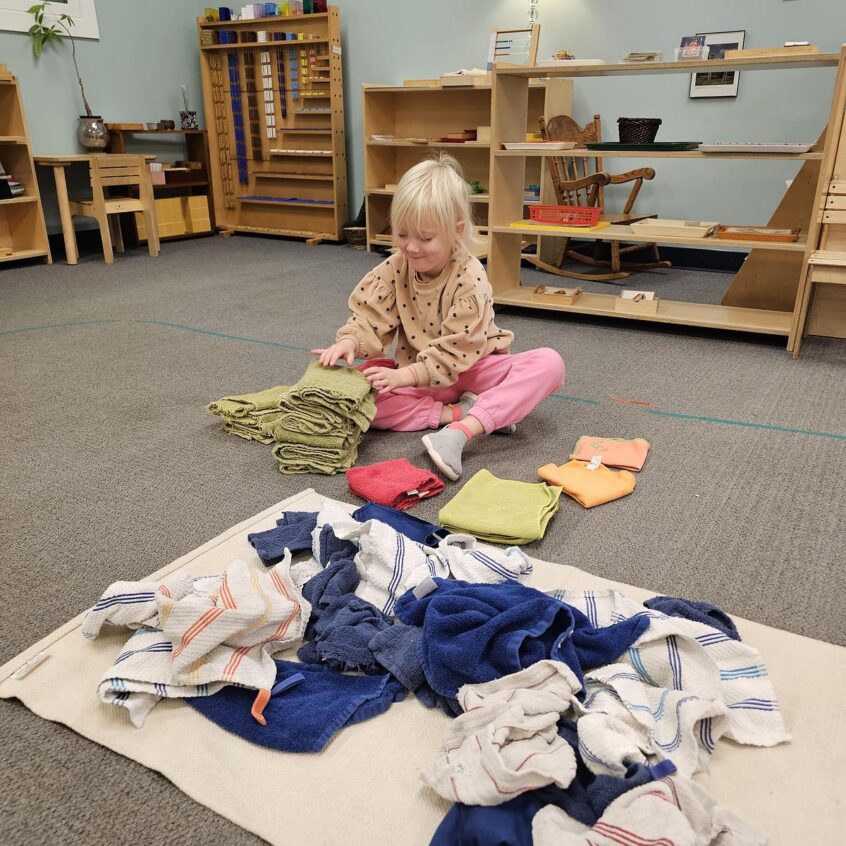
When parents first hear the term “Practical Life” in Montessori, it can sound simple or ordinary. Pouring water, washing a table, buttoning a coat, or preparing food do not always look like “schoolwork.” In Montessori education, however, these everyday activities are some of the most important work a child can do.
Practical Life is often introduced during the toddler years and continues into the Primary classroom for children ages 3 to 6. These activities lay the foundation for independence, confidence, and academic readiness. For parents who may be new to Montessori, understanding the value of Practical Life can completely change how you view your child’s daily routines.
- Resilience Practice Through Real Work
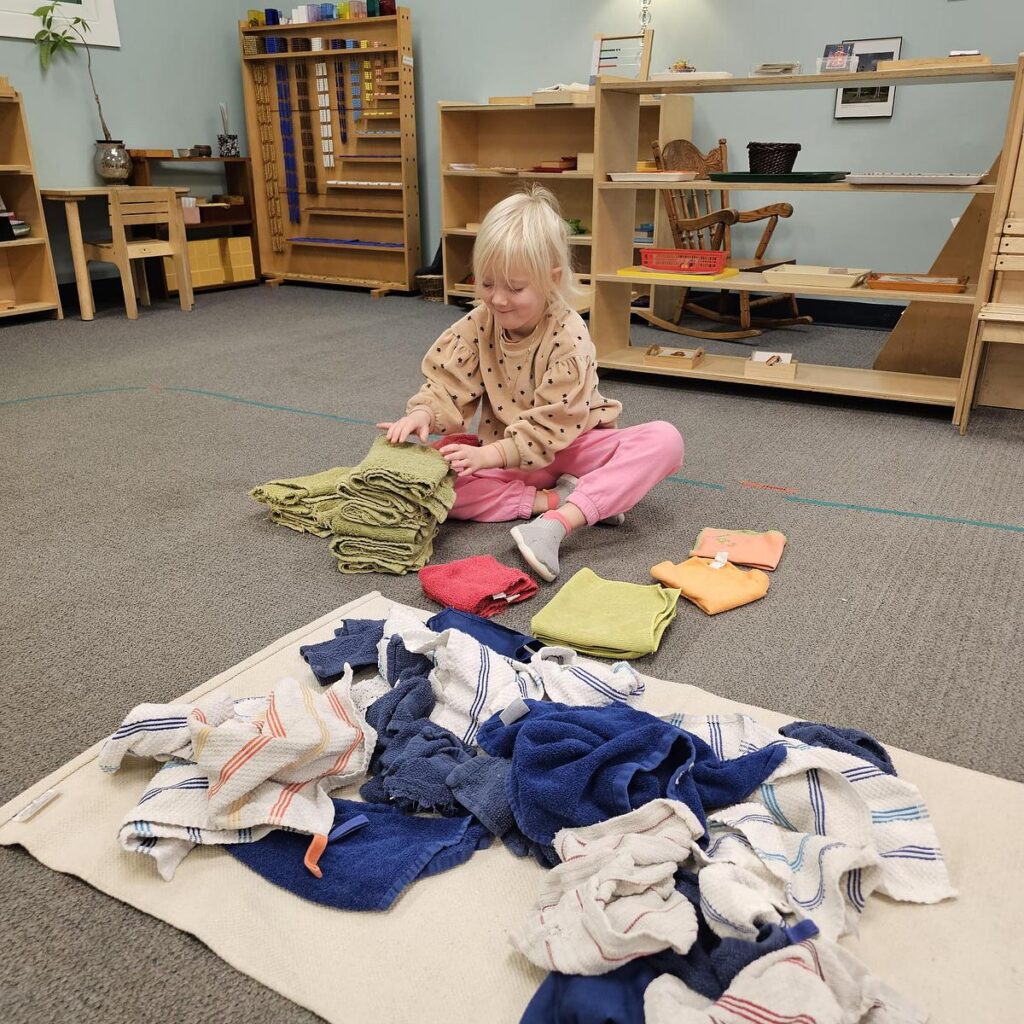
Practical Life activities give children regular opportunities to try, make mistakes, and try again. Whether a child spills water while pouring or struggles to fasten a button, they are learning perseverance in a meaningful way.
In the Primary years, this resilience becomes especially important. Children learn that challenges are a normal part of learning and that mistakes are not something to fear. Instead of an adult stepping in to fix things immediately, children are encouraged to problem solve and persist. Over time, this builds emotional resilience and a growth mindset that supports learning across all areas.
- Confidence Built From Capability
Children develop confidence when they are trusted with real responsibilities. Practical Life allows Primary age children to participate fully in daily life rather than being passive observers.
When a child can pour their own drink, clean up a spill, or prepare a simple snack, they begin to see themselves as capable. This confidence carries into the Montessori classroom, where children are expected to choose work independently and care for their environment. Confidence gained through Practical Life is authentic because it is rooted in real achievement, not praise alone.
- The Pathway to Independence
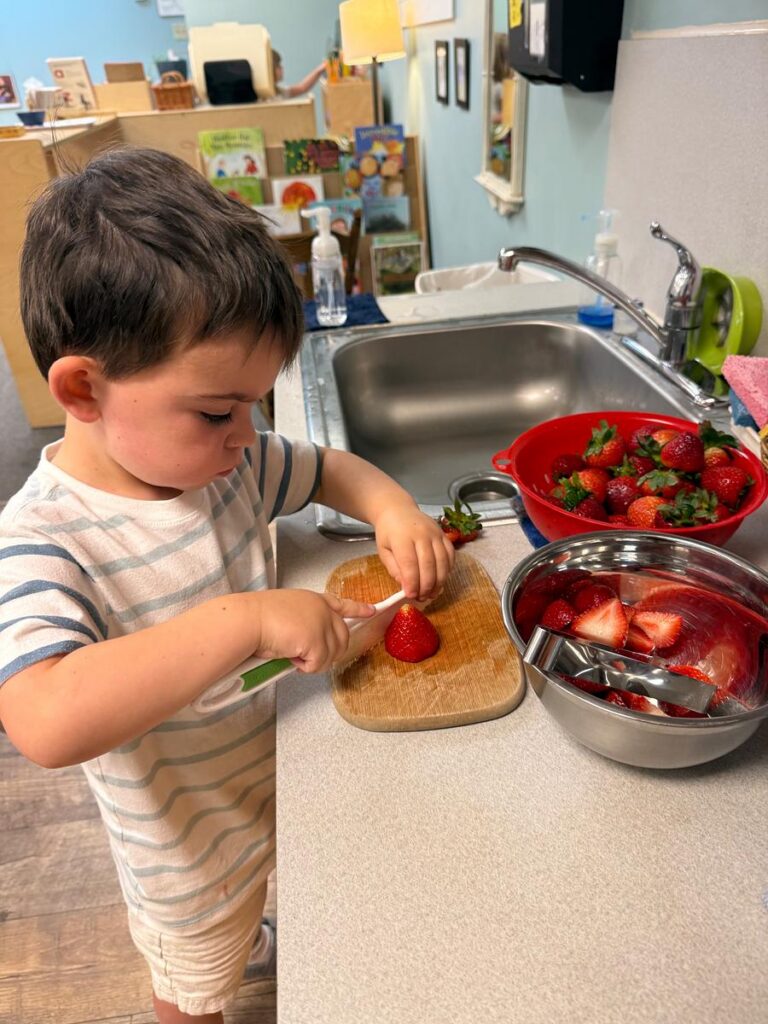
Independence is one of the core goals of Montessori education, and Practical Life is where it begins. For children ages 3 to 6, independence is not about doing everything alone, but about developing the skills needed to care for themselves and their surroundings.
Through Practical Life activities, children learn how to manage their bodies, their belongings, and their time. Tasks such as dressing themselves, preparing food, or cleaning up after work help children feel in control of their world. This sense of independence reduces frustration and power struggles, both at home and in the classroom.
- Helping Others and Belonging to a Community
Practical Life activities are not only about individual skill building. They also teach children how to contribute to a community. In Montessori classrooms, children help set the table, water plants, care for shared materials, and assist younger peers.
For Primary age children, this sense of responsibility fosters empathy and social awareness. Children learn that their actions matter and that helping others is a valued part of daily life. This community-based approach supports positive behavior and helps children develop respect for both people and their environment.
- Fine Motor Skills That Support Academic Success
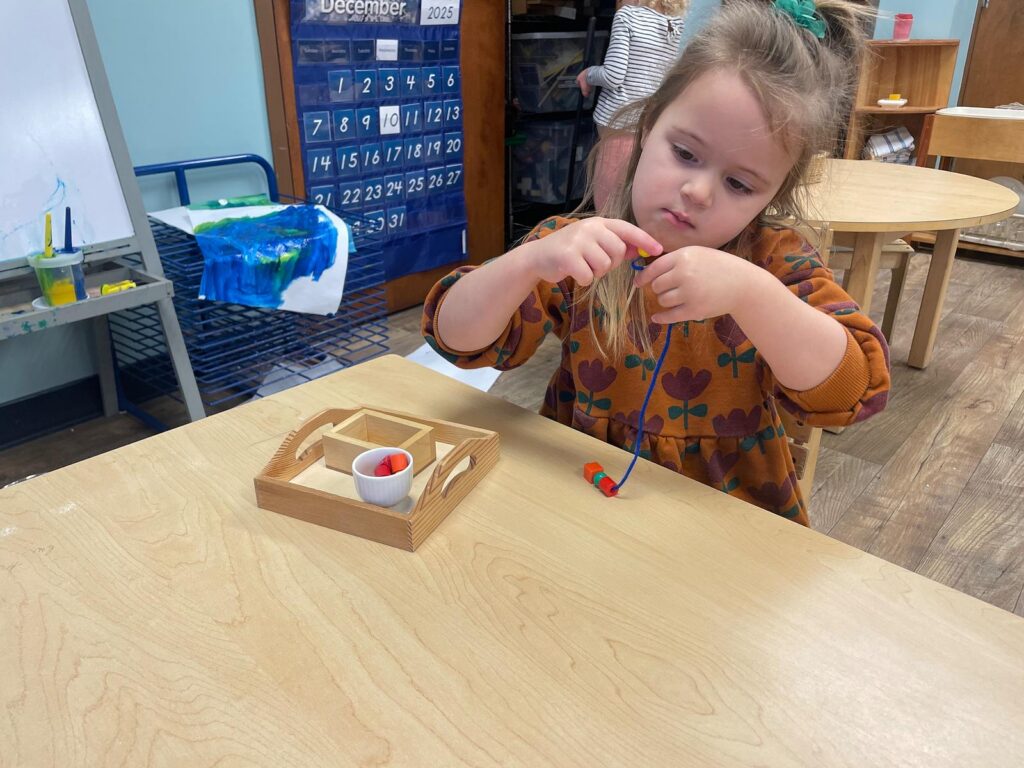
Many Practical Life activities are designed to strengthen fine motor skills, particularly in the hands and fingers. Pouring, spooning, squeezing, buttoning, tying, and twisting all help develop control and coordination.
These movements directly support later academic tasks such as handwriting, cutting with scissors, typing, and using classroom tools. Strong fine motor skills also help with everyday tasks like tying shoes, opening jars, and managing clothing fasteners. By practicing these skills early through Practical Life, children enter academic work with confidence and physical readiness.
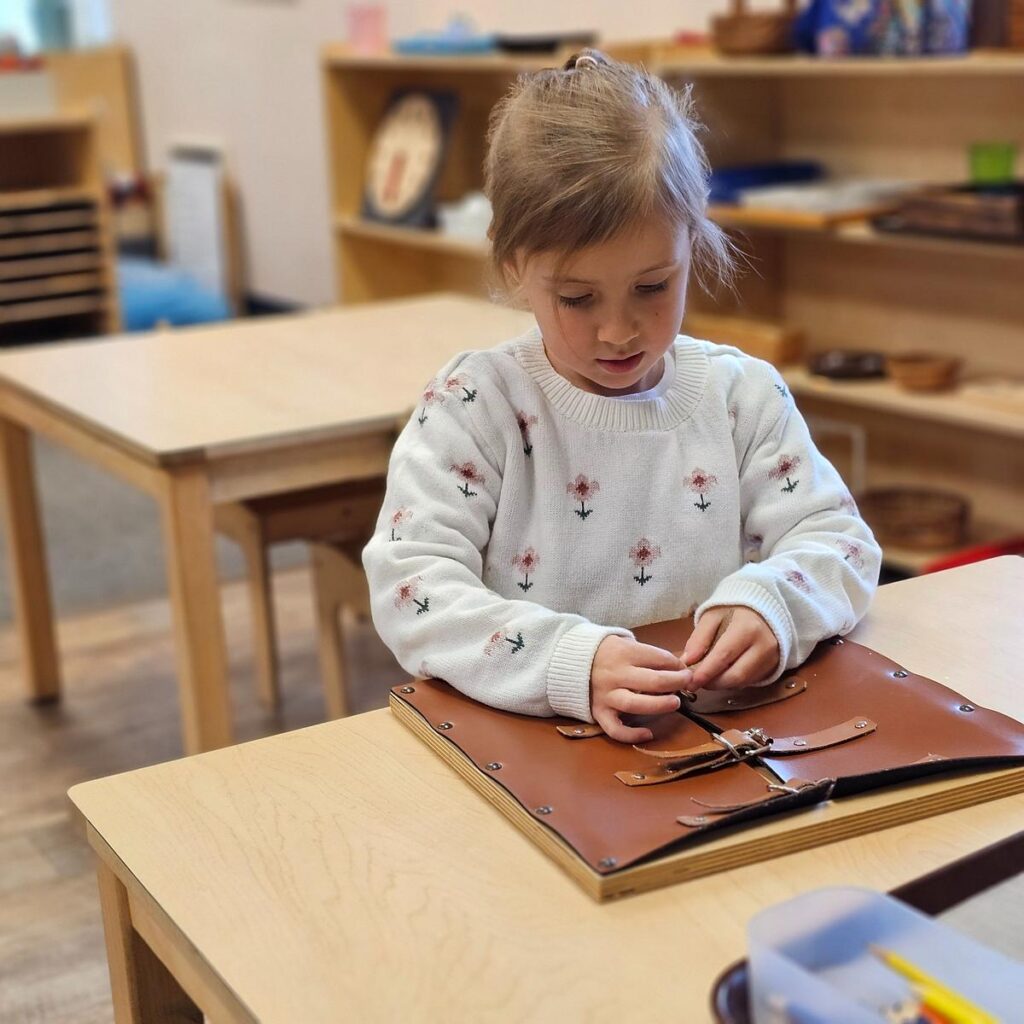
Montessori Practical Life may look simple, but its impact is profound. For toddlers and Primary age children alike, these activities build resilience, confidence, independence, and a strong sense of belonging. They also prepare the body and mind for future academic work.
By valuing Practical Life at home and at school, parents support their child’s natural desire to participate, contribute, and grow. These early experiences shape not only what children can do, but who they believe they are becoming.
Was this article helpful? Learn more about Montessori practices like the art of observation or positive discipline on our blog!
–