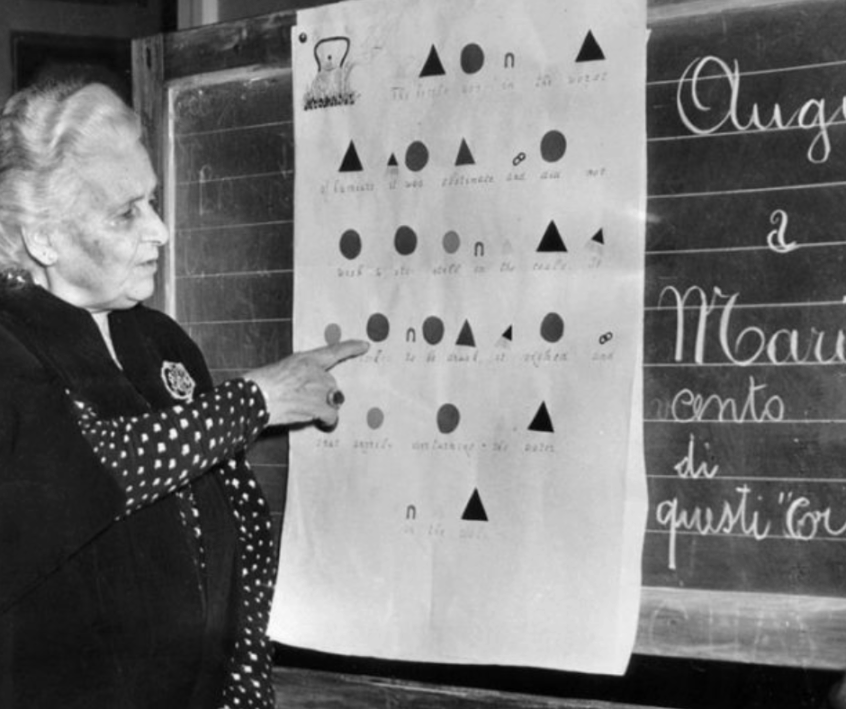
Many parents recognize the name Montessori, but fewer know the story of the woman behind the philosophy. Maria Montessori was not originally an educator. She was a scientist, a physician, and a careful observer of human development. Her work transformed how we understand children and continues to influence how classrooms support learning today, especially for children ages 3 to 6.
Understanding who Maria Montessori was helps parents better understand why Montessori education looks the way it does and why it remains relevant more than a century later.
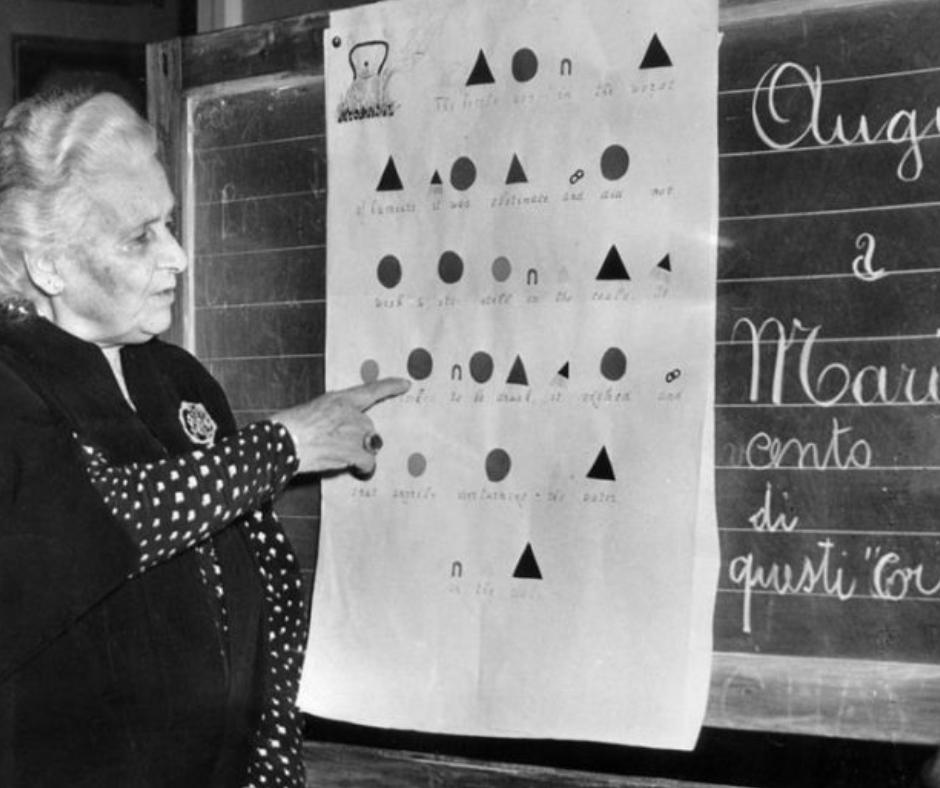
Maria Montessori the Scientist
In 1896, Maria Montessori became one of the first women in Italy to become a medical doctor. Her background in science shaped everything about her approach to education. Rather than starting with theories about how children should learn, she observed how children actually learned.
Through careful observation, she noticed that children learn best when they are active participants in their own education. They need hands-on experiences, freedom within limits, and an environment designed specifically for their developmental needs. Montessori approached education with the mindset of a researcher, watching patterns in behavior, and adjusting the environment based on what children showed her they needed.
This scientific approach is still at the heart of Montessori classrooms today. Teachers observe children closely, especially during the Primary years from ages 3 to 6, and use those observations to guide lessons, routines, and the classroom environment.
Teaching the “Unteachable”
Early in her career, Maria Montessori worked with children who had been labeled as unteachable. These children were often excluded from traditional classrooms and given very few opportunities to learn. Montessori believed that the problem was not the children, but the way they were being taught.
By creating her own hands-on materials and giving children time, respect, and appropriate support, she saw remarkable progress. Many of the children she worked with not only learned academic skills but went on to perform at or above the level of their peers in traditional schools.
This experience shaped her belief that all children are capable of learning when given the right environment. Montessori education was never meant for one type of child. It was designed for every child, regardless of ability, background, or learning style.
Montessori Education Is for All Children
One of Maria Montessori’s most important contributions was her belief that education should be accessible and responsive to all children. She recognized that children develop at different rates and in different ways, particularly during the early years.
For preschool aged children, this means honoring sensitive periods for learning, supporting independence, and allowing children to work at their own pace. Montessori classrooms are designed to meet children where they are, rather than expecting them all to learn the same thing at the same time.
This inclusive philosophy supports children with a wide range of abilities and needs. It also fosters respect, empathy, and community, as children learn alongside peers of different ages and skill levels.
Her Lasting Impact on Education Today
Maria Montessori’s work has had a lasting impact on how we think about teaching and learning. Concepts that are now widely accepted, such as hands-on learning, child sized environments, and the importance of early childhood education, were once revolutionary ideas.
In Montessori Primary classrooms today, children are trusted to make choices, engage deeply with meaningful work, and develop independence. Teachers act as guides rather than lecturers, supporting children as they build skills and confidence.
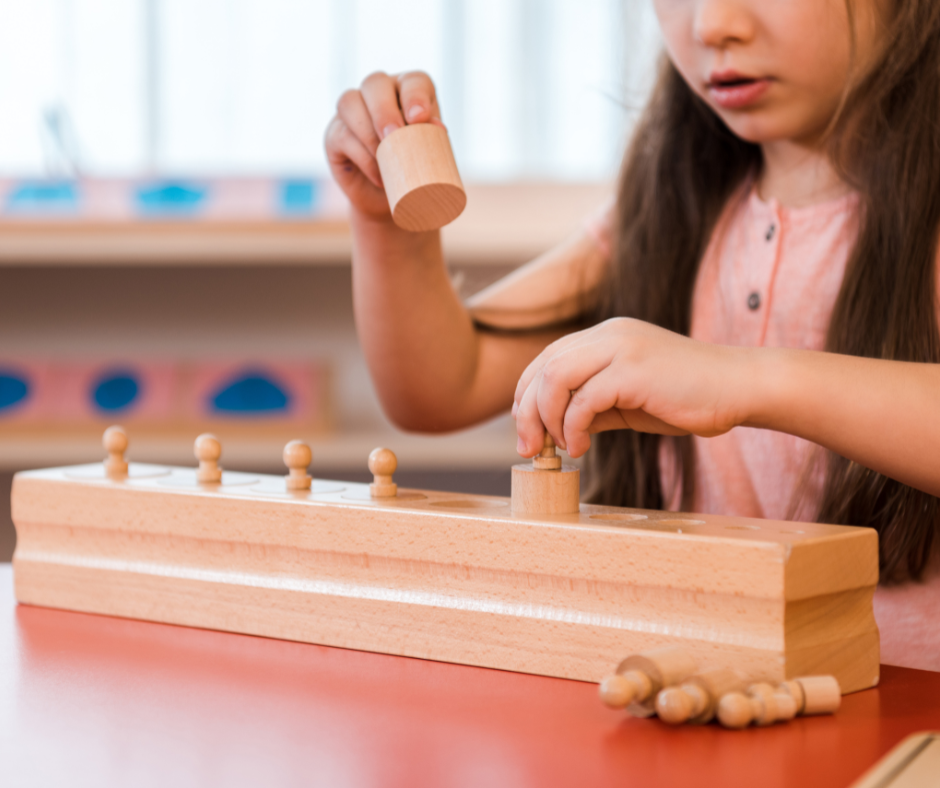
Her philosophy reminds us that children are not empty vessels to be filled with information. They are capable, curious individuals who learn best when they are respected and understood. More than a century later, Maria Montessori’s scientific approach to education continues to shape classrooms around the world and influence how we support children during their most important years of development.
You can learn more about Montessori’s art of observation here.
–