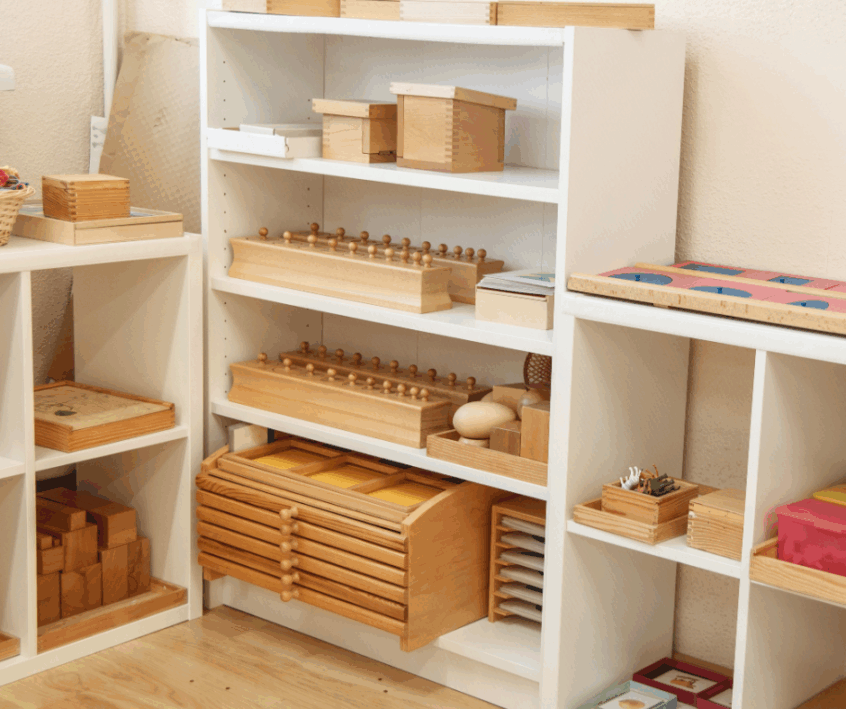
When families first walk into a Montessori classroom, one of the most noticeable differences from traditional classrooms or daycares is the environment. Instead of bright plastic toys or loud colors, you will find wood, metal, glass, fabric, and other natural materials. This is not a design trend, though it does create a beautiful looking classroom. It is a purposeful choice that supports how children learn and develop, especially during the Primary years from ages 3 to 6.
For parents who may be new to Montessori, understanding why natural materials matter can offer insight into the deeper philosophy behind the classroom and how it supports meaningful learning.
Supporting Focus and Calm
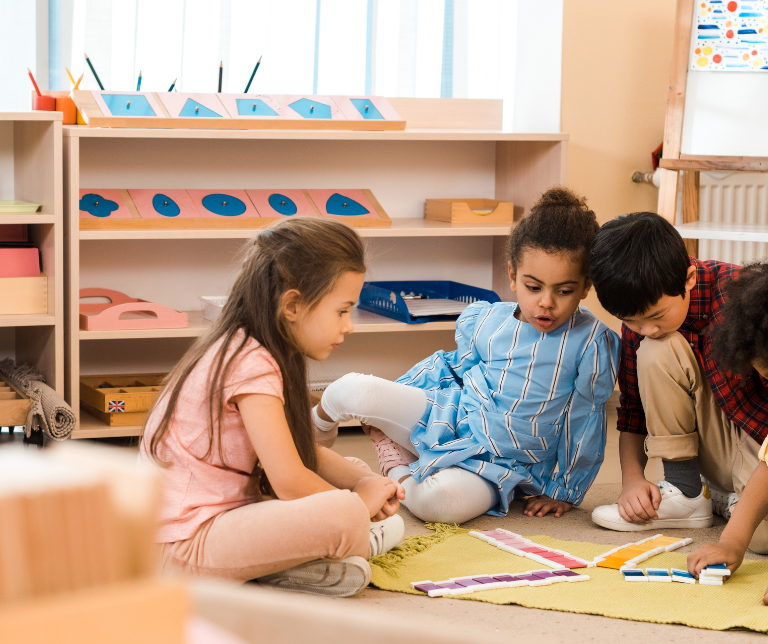
Children ages 3 to 6 are highly sensitive to their environment. Natural materials tend to be visually calming and help reduce overstimulation. Wood, glass, and fabric offer softer colors, varied textures, and a sense of warmth that supports concentration.
In a Montessori Primary classroom, materials are designed to invite focus rather than distract from it. When a child works with a wooden math material or a glass pouring pitcher, the simplicity of the material allows the child to focus on the task itself. This supports longer periods of concentration, which are essential for developing independence and self regulation.
Encouraging Respect and Care
Natural materials also encourage children to move carefully and with intention. When children use real glass, metal, or ceramic items, they learn to slow down, handle materials with care, and take responsibility for their actions. Natural materials also help bridge the gap between the classroom and everyday life. Children are not using toy versions of adult tools, but simplified, child sized versions of real ones.
Using real tools helps children feel capable and included. When a child pours water from a glass pitcher or polishes a wooden surface, they are practicing skills they will use outside the classroom. This sense of relevance increases engagement and supports meaningful learning.
These skills are especially important during the Primary years, when children are developing coordination and awareness of their bodies. If something breaks, it becomes a learning opportunity rather than a punishment. Children learn how to clean up, problem solve, and try again. This builds responsibility, confidence, and respect for their environment.
Providing Rich Sensory Experiences
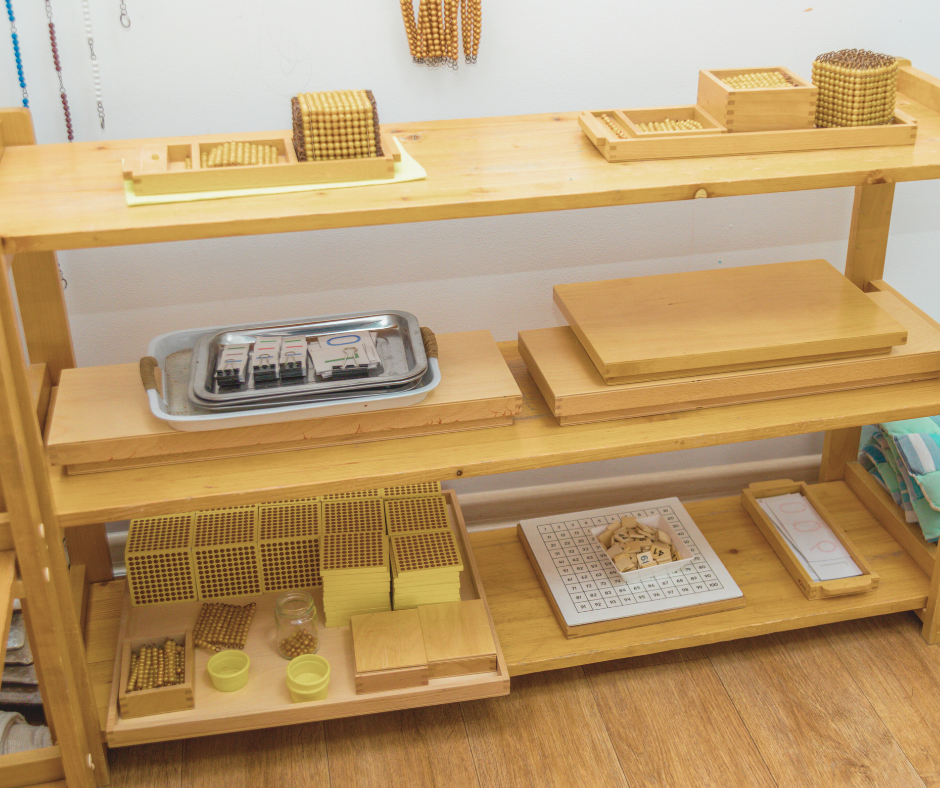
Children learn through their senses, and natural materials offer a wide range of sensory feedback. The weight of a wooden block, the cool temperature of metal, or the smoothness of polished stone all provide important information to a developing brain.
Unlike plastic, which often feels the same no matter its shape, natural materials vary in texture, temperature, and weight. These subtle differences support sensory development and help children refine their movements. For children ages 3 to 6, this sensory input supports fine motor development, coordination, and body awareness.
Natural Materials and Long-Term Learning
The use of natural materials is closely tied to the Montessori belief that children learn best through hands-on, purposeful work. These materials are durable, thoughtfully designed, and meant to be used repeatedly over time.
Research on early childhood development also emphasizes that active engagement with the physical world helps build foundational brain architecture, executive function skills such as attention and self-regulation, and deeper understanding of concepts through exploration and play. According to Harvard’s Center on the Developing Child, playful, hands-on experiences help strengthen neural connections and support learning, memory, and cognitive flexibility that children carry into later years. These early interactions set the stage for lifelong learning and adaptability.
Studies on play and hands-on learning also show that when children manipulate real world objects, experiment with materials, or engage in tactile exploration, they activate multiple sensory and cognitive pathways. This kind of “learning by doing” supports critical thinking, problem solving, and real-world application of knowledge in ways that passive observation alone cannot. As children handle materials with their hands and integrate sensory information, they develop a deeper, more lasting understanding that underpins later academic and life skills.
For Primary age children, repeated interaction with high quality materials supports mastery and deep understanding. Rather than being entertained by flashing lights or sounds, children are actively engaged in learning that builds focus, independence, and confidence.
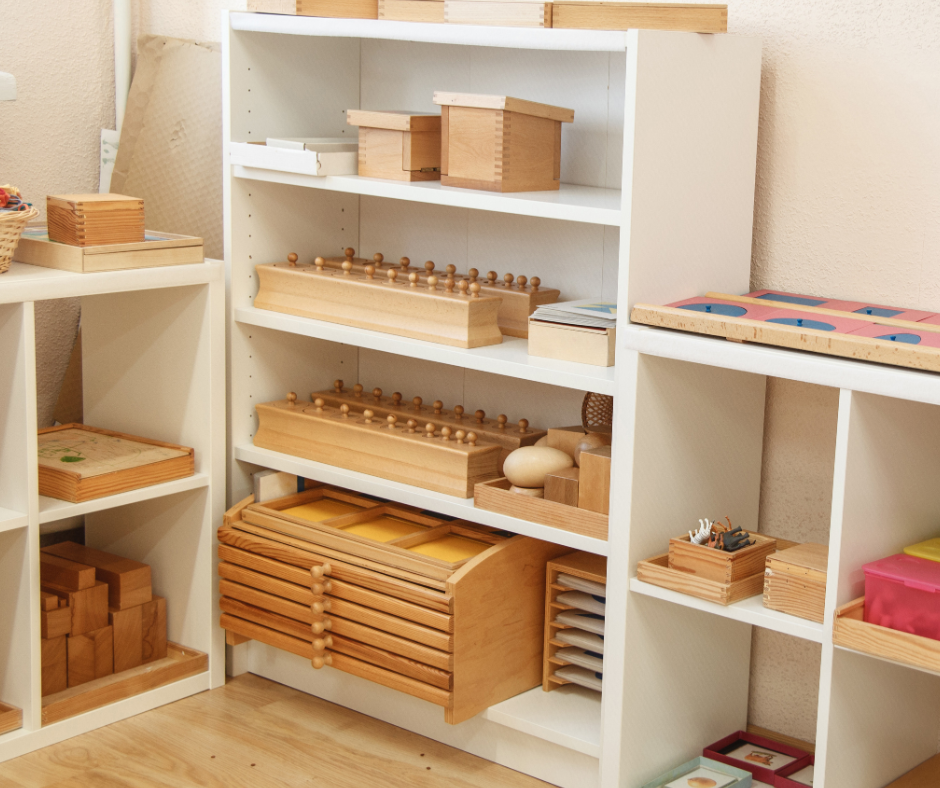
In a Montessori classroom, natural materials are not just objects on a shelf. They are tools that support development, respect the child, and create an environment where meaningful learning can take place. For families exploring Montessori education, these materials offer a window into a philosophy that values simplicity, intention, and the natural curiosity of the child.
–
The best way to understand Montessori is to observe a classroom, ask questions, and see how children interact with their environment. If you are curious about Montessori education for preschool and kindergarten-aged children in northeast Indiana, you can schedule a tour with Southwest Montessori Academy here.
Learn more about Montessori practices like the art of observing your child or the importance of the three year learning cycle on our blog!